Orh Luak
蚝烙
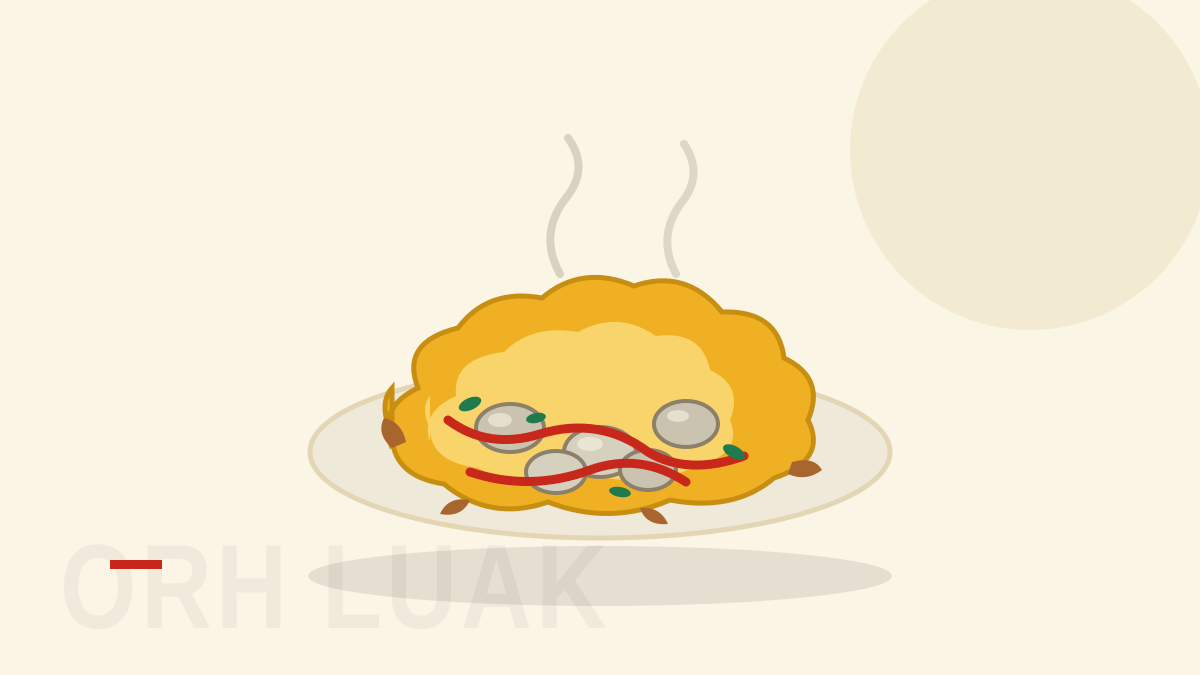
Small oysters folded into egg and a rice-and-tapioca batter, griddled hard so the edges shatter like lace while the centre stays molten — the Teochew oyster omelette.
By The Singaporean Recipes Kitchen · World Cookbook Series · July 19, 2026
Balestier & WhampoaStreet hawkers & the kampong, 1900s–1942
 07
07- Prep
- 20 min
- Cook
- 15 min
- Serves
- 2
- Level
- Intermediate
Orh luak is a Teochew dish with a Teochew name — orh for oyster, luak for the sizzling fry — and the name matters, because it tells you what the dish actually is. It is not an omelette with oysters folded in. It is a starch fritter: a thin slurry of rice flour and tapioca griddled hard until its edges crisp into shattering lace, bound with egg, studded with small oysters kept deliberately soft. The lace edge against the molten center is the whole point, and any version that skips the starch and just scrambles oysters into egg has thrown away the thing that makes it orh luak. In Singapore it belongs to the Teochew hawkers, and Whampoa's market and the old stalls of Balestier are as good a ground as any to place it.
The engineering is a study in contrast, the kind this cuisine loves. The starch slurry, thrown onto a screaming pan and left alone, sets and blisters into a crazed golden crust — the tapioca is what gives it that glassy crackle, and rice flour alone won't do it. The oysters go in last and cook for barely a minute, so they stay plump and just-set, soft and briny against the crisp. Overcook them, out of nervousness or impatience, and they shrink to grey rubber and weep water that sogs the crust you fought for. Restraint at the very end is what the dish asks of you.
And here is the honest part, the part the hawkers won't say because they don't need to: a home stove cannot fully do this. The blistered, crazed crust of a great orh luak comes from a gas ring throwing more heat than a domestic burner will ever muster, and no recipe writing can hand you that flame. What you can do is stack the odds — preheat the pan far past the point that feels reasonable, cook one small portion at a time so you don't drown the heat, use lard for its depth and its higher smoke point, and leave the slurry untouched long enough to crisp. It is a Teochew dish cooked with lard and shellfish, and it makes no claim to be halal; it is exactly what it is, and it is worth chasing the crust.
Crisp lace against a molten centre — that is the whole dish, and a home burner will fight you for it every step of the way. Small batches, screaming pan, and patience.
Shiok (when it's exactly right) · A word from the kitchen
Ingredientsbahan-bahan
Serves
The starch slurry
- 3 tbsprice flour (about 30 g)
- 2 tbsptapioca starch (or sweet potato starch) (about 20 g)the tapioca is what gives the lace edge its glassy, chewy crackle — rice flour alone crisps but doesn't shatter
- 180 mlwater (about 3/4 cup)
- 1 pinchfine salt
The omelette
- 200 gsmall fresh oysters, drained and patted dry (about 7 oz)small oysters, not the big showy ones — small ones stay plump and just-set in the heat instead of shrinking to rubber
- 3eggs, beaten with a pinch of white pepper
- 4 tbsplard, or neutral oillard is the traditional fat and carries a savoury depth oil can't; this dish is not halal and does not pretend to be
- 3garlic cloves, minced
- 1 tbspfish sauce
- 1/2 tspground white pepper
To finish
- 1 handfulcoriander leaves, roughly torn
- 1spring onion, sliced
- 1 portionchili-garlic dip (pounded fresh red chili, garlic, a little rice vinegar and sugar)the sharp chili dip against the rich omelette is the point — do not skip it and do not sweeten it into a sauce
Methodcara masak
Step 1: Mix the slurry and let it settle
Whisk the rice flour, tapioca starch, water, and salt into a thin, pourable batter with no lumps and let it stand 10 minutes. It should be the consistency of light cream — thin enough to spread into a sheet in the pan, thick enough to set into lace rather than run away. The tapioca is doing the important work here: it's what turns the fried edges glassy and gives them the shattering crackle that separates orh luak from a plain omelette. Stir it again just before it goes in the pan, because the starch settles.
Step 2: Get the pan genuinely screaming
Heat a wok or a flat cast-iron griddle over the highest heat you have with 2 tablespoons of the lard until it shimmers hard and just begins to smoke. This is where the honesty comes in: a hawker's orh luak gets its crazed, blistered crust from a roaring gas ring throwing more heat than any home stove can. You cannot fully match it. What you can do is preheat the pan longer than feels sensible, work in a small batch, and not crowd it — a home burner rewards patience and punishes a cold pan and a big portion.
Step 3: Fry the slurry into a lace sheet
Stir the slurry and pour it into the center of the screaming pan, swirling it out into a rough thin round. Leave it alone for 1 to 2 minutes — do not touch it — and let the underside set, blister, and start crisping to gold and brown at the thin edges. Poking it now collapses the lace before it forms. When the edges look crazed and shatter-crisp and the middle has just set from wet to translucent, it's ready for the egg.
Step 4: Pour the egg and add the garlic
Scatter the minced garlic over the sheet, then pour the beaten egg over the whole thing and let it flood the gaps. Add the last 2 tablespoons of lard around the edges to keep frying the base crisp. Let the egg set for about a minute, then break the omelette up into large rough pieces with your spatula, turning them so both sides catch the hot fat. You're after chaos with structure — crisp shards and soft folds in the same mess, not a neat disc.
Step 5: Oysters last, so the centre stays molten
Now, and only now, fold in the oysters with the fish sauce and white pepper, and cook just 45 to 60 seconds more — long enough for the oysters to firm at the edges and plump, no longer. This is the whole balance of the dish: the starch lace stays crisp and the oysters stay molten and barely-set at the center, soft against the crackle. Overcook the oysters and they shrink to grey rubber and weep liquid that sogs the crust you worked for. The moment they turn from glassy to just-opaque, they're done.
Step 6: Plate it fast and dip
Slide it straight onto a plate — orh luak waits for no one, and the crisp edges soften by the minute once they leave the heat. Shower it with torn coriander and spring onion and serve the sharp chili-garlic dip right alongside. Each bite wants a crisp shard, a soft oyster, and a dab of the chili, the heat and acid cutting clean through the rich egg and lard. Eat it immediately, standing up if you have to, the way it's meant to be eaten.
Perkakas · The tools
Equipment
Carbon-steel wok
chaoHalf this site happens in a wok, and carbon steel is the only honest choice at home — it heats fast, takes a season, and gets you the closest to wok hei your burner allows.
Shop on Amazon →Flat cast-iron griddle
tawaPrata wants wide, even, patient heat and room to flip. A tawa or any flat cast iron plate beats every frying pan at this one job.
Shop on Amazon →Spider strainer
Lifts blanched noodles out of the pot in one pass and fried shallots out of the oil in the next. One tool, half the hawker canon.
Shop on Amazon →
Equipment links are Amazon affiliate links. As an Amazon Associate we earn from qualifying purchases, at no cost to you. Disclosure.
Rate this recipe
Questions from the kitchen
What's with the two flours? Isn't it just an oyster omelette?
The two flours are the dish, and the name gives it away — orh luak, Teochew for oyster and a sizzling fry. It isn't an egg omelette with oysters in it; it's a starch fritter with egg and oysters, and the slurry of rice flour and tapioca is what makes it. Rice flour alone crisps but stays brittle-flat; the tapioca is what gives the fried edge its glassy, chewy, shattering crackle. That lace crust against a molten oyster center is the entire architecture, and a version made with egg alone, however good, is a different dish that happens to share a name.
My orh luak came out soft and greasy with no crisp edges. Why?
Almost certainly the pan wasn't hot enough, and probably it was overcrowded too. The lace crust needs fierce, sustained heat to set and blister before the moisture from the batter and oysters can steam it soft, and a home stove struggles to deliver it. Preheat the pan far longer than feels necessary, cook one modest portion at a time, use enough fat, and — hardest of all — leave the slurry alone for the first minute or two so the underside can crisp instead of stewing. This is the honest limit of a home burner, and small batches are how you work around it.
Can I use big oysters, or make it without lard?
You can, with trade-offs on both. Big oysters look impressive but shrink and toughen in the high heat and throw off water that sogs the crust — small oysters stay plump and just-set, which is why the hawkers use them. As for lard: it's traditional and carries a savory depth oil doesn't, and this is a Teochew dish that has never claimed to be halal, so we cook it with lard honestly. Neutral oil works and makes a lighter version, but call it what it is — a good oyster omelette fried in oil, not the richer thing lard makes.
Makan lagi · Cook next
Keep the burner on
 07
07Charcoal, Satay & Street·60 min·Intermediate
Chai Tow Kway菜头粿
Steamed radish cake cut into cubes and fried hard with egg, garlic, and salty preserved radish — the hawker carrot cake that comes two ways, white or black, and neither is wrong.
 07
07Charcoal, Satay & Street·40 min·Beginner
Rojakrojak · 罗惹
The word means mixture, and the plate agrees — fruit, jicama, and fritters tossed in black hae ko, tamarind, and chili, buried in crushed peanuts.
 07
07Charcoal, Satay & Street·70 min·Intermediate
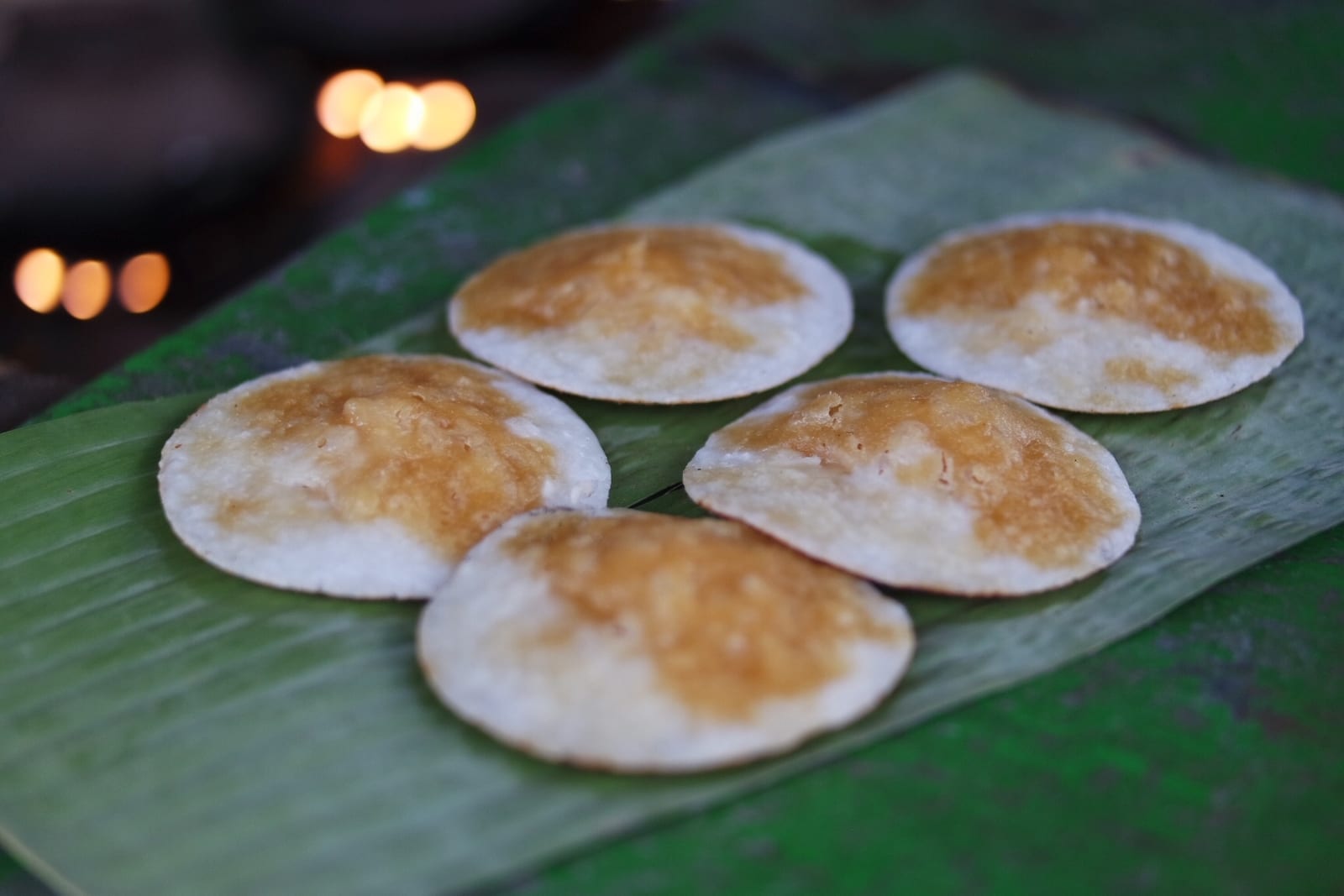
Chwee Kueh水粿
Teochew steamed rice cakes with the tremble of just-set custard, buried under dark chai poh fried slow in more oil than you want to know about.