Chwee Kueh
水粿
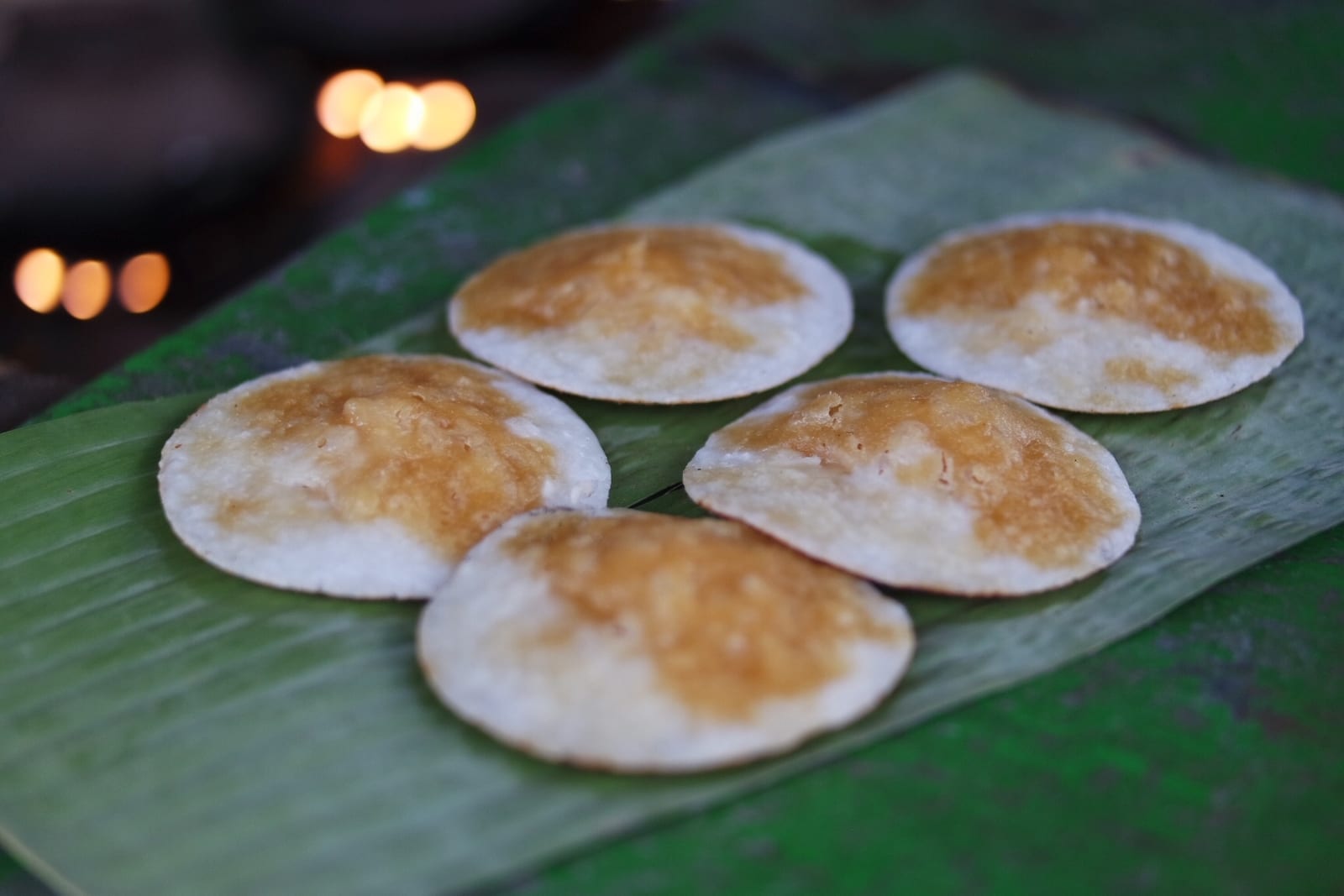
Teochew steamed rice cakes with the tremble of just-set custard, buried under dark chai poh fried slow in more oil than you want to know about.
By The Singaporean Recipes Kitchen · World Cookbook Series · June 25, 2026
Tiong BahruStreet hawkers & the kampong, 1900s–1942

- Prep
- 20 min
- Cook
- 50 min
- Serves
- 4
- Level
- Intermediate
There is a category of food that only makes sense before eight in the morning, and chwee kueh sits at the head of it. A disc of steamed rice batter — white, unseasoned, barely holding its shape — crowned with a dark, oily spoonful of fried preserved radish. Written down, it sounds like a punishment. Eaten warm off a bamboo skewer while the market is still setting up around you, it is one of the quiet masterpieces of the Teochew kitchen, a dish that took poverty's ingredients — rice flour, water, a vegetable preserved so it couldn't rot — and refined them until the plainness became the point.
The name gives the game away. Chwee kueh means water cake in Teochew, and the recipe honors it — the batter is far more water than flour, which is why the finished cake shakes like custard and why the technique matters more than the shopping list. Teochew hawkers built the dish into Singapore's breakfast culture in the street-hawker decades of the early twentieth century, and it rooted deepest in Tiong Bahru, the 1930s estate whose market mornings have carried a chwee kueh queue for as long as anyone alive can testify. We're not going to tell you whose stall is correct — that's a fight between neighbors that predates us — but the queue itself tells you what the dish means here.
Everything that reads as flavor comes from the topping, and the topping is a lesson in what oil and time do to salt. Chai poh — daikon preserved in salt until it can survive anything — is rinsed, squeezed, and then fried slowly in what looks like an irresponsible quantity of oil until it goes dark and almost caramelized. The oil is not a cooking medium here; it's the delivery system. It carries the garlic, the shrimp, the radish's salty-sweet depth, and it soaks into the bland cake the way gravy soaks into rice. Skimp on the oil or rush the fry and you'll wonder what the fuss was about. Do it slowly and you'll understand why people cross the island for this.
The cake is a canvas of almost nothing. The chai poh is thirty minutes of patience disguised as a spoonful of oil.
Shiok (when it's exactly right) · A word from the kitchen
Ingredientsbahan-bahan
Serves
The cakes
- 160 grice flour (about 1⅓ cups)plain rice flour, not glutinous — glutinous flour makes mochi, and nobody queues for mochi at breakfast
- 30 gcornstarch or wheat starch (¼ cup)the tenderizer — pure rice flour sets bouncy; the starch buys you the wobble
- 5 gfine salt (1 tsp)
- 1 tbspneutral oilplus more for brushing the tins — the cakes must release clean or the dimple tears
- 250 mlroom-temperature water (1 cup)
- 500 mlboiling water (2 cups)not hot-tap hot — a true rolling boil, because it half-cooks the batter before the steamer sees it
The chai poh topping
- 200 gpreserved radish (chai poh), finely chopped (about 7 oz)mix sweet (tiam) and salty (kiam) if your shop carries both — all-salty needs a longer rinse and more sugar
- 120 mlneutral oil (½ cup)yes, all of it — the topping is served swimming; the oil is the sauce
- 5garlic cloves, minced
- 30 gsugar (2 tbsp)
- 1 tbspdried shrimp, soaked and choppedoptional but common — it deepens the savory floor without announcing itself
- ½ tspground white pepper
Methodcara masak
Step 1: Rinse and squeeze the chai poh
Rinse the chopped preserved radish in two changes of water, then squeeze it hard in your fist until it stops dripping. This is not optional fussiness — chai poh is preserved in salt, and the frying that comes next concentrates everything. Taste a pinch after squeezing; it should be pleasantly salty, not punishing. If it still bites, rinse once more.
Step 2: Fry the topping until it turns mahogany
Heat the oil in a wok over medium-low, fry the dried shrimp a minute until fragrant, then the garlic just until it smells sweet — not colored, because it has twenty more minutes ahead of it. Add the chai poh and sugar and drop the heat to low. Now fry slowly, stirring every few minutes, for 20 to 30 minutes, until the radish darkens from pale straw to deep mahogany and the oil around it goes glossy and fragrant. Rushed chai poh tastes raw and salty; slow chai poh tastes like caramel that took a wrong, wonderful turn. Finish with white pepper. It keeps for weeks in a jar under its own oil.
Step 3: Make the half-cooked batter
Whisk the rice flour, starch, salt, and oil with the room-temperature water into a smooth, thin slurry. Then, whisking constantly, pour in the boiling water in a steady stream. The batter will thicken slightly to the texture of pouring cream — this partial gelatinization is the whole trick. It keeps the flour suspended so it can't settle into a dense layer in the steamer, and it is the difference between a cake that trembles and a cake that bounces.
Step 4: Steam to a wobble, not a set
Brush small tins, cups, or a muffin tray generously with oil. Get the steamer to a hard, visible steam before anything goes in. Stir the batter well — it settles fast — fill the tins about three-quarters, and steam over high heat for 20 to 25 minutes. Done means the surface has formed its signature shallow dimple and the cake shivers like just-set panna cotta when you shake the tin; a skewer comes out clean but the cake still moves. Rest 10 minutes before unmoulding — hot chwee kueh tears, warm chwee kueh releases.
Step 5: Serve warm, buried properly
Unmould the cakes dimple-up onto a plate and spoon the chai poh over generously, oil and all — the dimple exists to hold it. A dab of chili sauce on the side if you want it. Eaten warm with a bamboo skewer if you're doing it right, standing up if you're doing it exactly right.
Perkakas · The tools
Equipment
Bamboo steamer
Chwee kueh, pau, and whole fish — bamboo breathes, so condensation never rains back onto your work.
Shop on Amazon →Carbon-steel wok
chaoHalf this site happens in a wok, and carbon steel is the only honest choice at home — it heats fast, takes a season, and gets you the closest to wok hei your burner allows.
Shop on Amazon →
Equipment links are Amazon affiliate links. As an Amazon Associate we earn from qualifying purchases, at no cost to you. Disclosure.
Rate this recipe
Questions from the kitchen
Why is it called a water cake, and why does everyone point at Tiong Bahru?
Chwee kueh is Teochew for exactly what it is — water rice cake, a dish that is mostly hydration held together by rice flour and nerve. It came with Teochew migrants who made cheap, filling breakfasts an art form, and it became a morning ritual in the pre-war estates, nowhere more famously than Tiong Bahru, where the market queue for it has outlived several generations of everything else. Whose stall started it and whose chai poh is correct is an argument we are staying out of; the queue is the historical record.
My cakes came out rubbery and dense instead of wobbly. What went wrong?
One of three things. You used glutinous rice flour (check the bag — the wrong one is sticky-sweet mochi flour); you skipped the boiling-water step, so the flour settled into a dense layer at the bottom of each tin; or you forgot to re-stir the batter between fillings, which does the same thing. The batter should go into the tins looking like thin cream and come out shaking like custard. Also check your steam — a lazy simmer cooks the cakes slowly and tightens them.
Can I make any of this ahead?
The chai poh, absolutely — it is genuinely better after a day or two in the jar and holds for weeks under its oil, which is how the stalls run it. The cakes are best the day they're steamed, but they reheat honestly — 5 minutes back in the steamer restores the wobble. Do not microwave them unless you enjoy eating an eraser.
Makan lagi · Cook next
Keep the burner on
 07
07Charcoal, Satay & Street·165 min·Advanced
Char Siu Pau叉烧包
Cloud-white steamed buns that burst open at the top, packed with sweet-savory diced char siu in a glossy oyster-sauce gravy — the dim sum trolley's most requested parcel.
 07
07Charcoal, Satay & Street·60 min·Intermediate
Chai Tow Kway菜头粿
Steamed radish cake cut into cubes and fried hard with egg, garlic, and salty preserved radish — the hawker carrot cake that comes two ways, white or black, and neither is wrong.
 08
08Kueh & Sweets·110 min·Intermediate
Min Jiang Kueh面煎粿
A thick, honeycombed griddle pancake folded over a heap of crushed sugared peanuts — the unhurried morning-market kueh that rewards a slow batter and a patient pan.