Chai Tow Kway
菜头粿
Steamed radish cake cut into cubes and fried hard with egg, garlic, and salty preserved radish — the hawker carrot cake that comes two ways, white or black, and neither is wrong.
By The Singaporean Recipes Kitchen · World Cookbook Series · July 12, 2026
Balestier & WhampoaStreet hawkers & the kampong, 1900s–1942
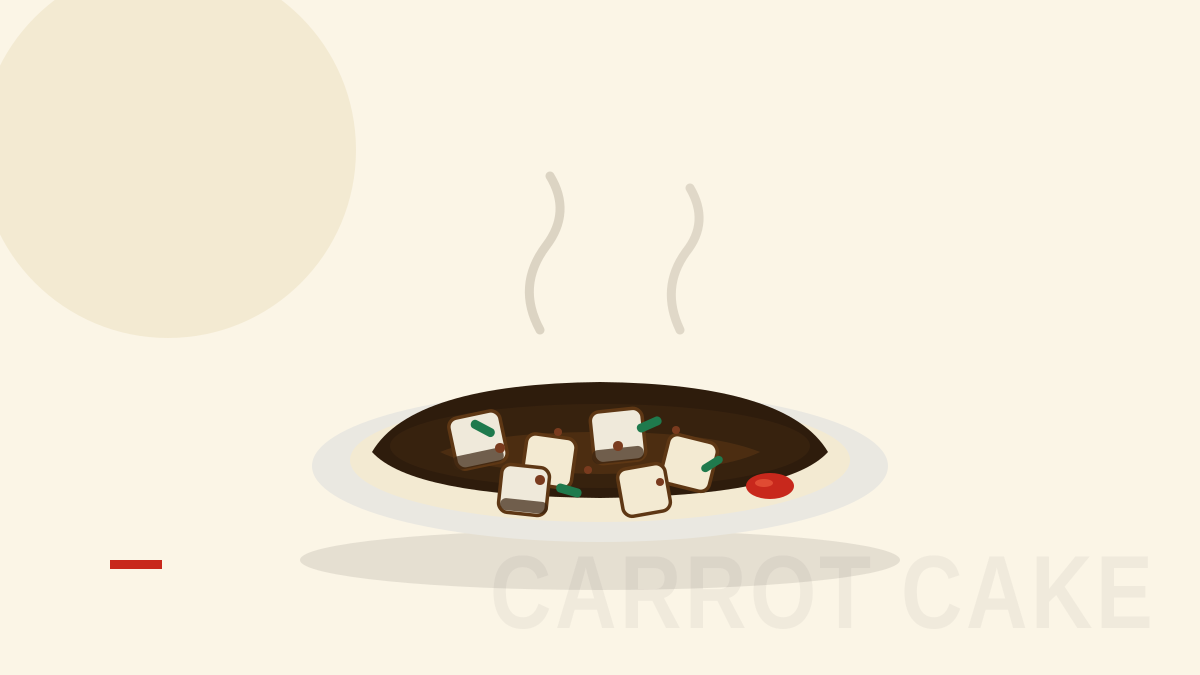 07
07- Prep
- 40 min
- Cook
- 20 min
- Serves
- 4
- Level
- Intermediate
The first thing to say about Singapore carrot cake is that it contains no carrot and no cake, which is the kind of naming most cuisines would be embarrassed by and this one wears with obvious delight. Chai tow kway means radish cake: white daikon grated and bound with rice flour, steamed into a soft, custardy block, then cut into cubes and fried hard with egg, garlic, and salty preserved radish until the edges blister and crisp. The confusion on a first-timer's face when they learn there's no carrot is, at this point, a load-bearing part of the experience.
There are two schools, white and black, and this site is going to plant a flag by refusing to plant one. White chai tow kway is the older, plainer version — cubes fried with egg and chai poh, no dark sauce, letting the radish and the wok char do the talking. Black adds a slug of sweet dark soy that caramelizes over the cubes into something glossier and sweeter, with a faint smoky-caramel edge. Around the Whampoa and Balestier markets you'll find defenders of each who'll tell you theirs is the proper one, and they're both wrong to say so, because both are fully traditional. The only correct chai tow kway is the one you happen to be eating.
What actually separates a good plate from a sad one has nothing to do with which school you pick and everything to do with heat and patience. The cake has to be steamed and then cooled hard — ideally overnight — or it smears into paste the moment it hits the wok. And the cubes have to be left alone to catch and crust on a screaming-hot, well-greased wok, not stirred anxiously into a soft pale scramble. Char, chew, a lacy egg crust, and the salty jolt of chai poh against the mild radish: that's the plate. Get the cake set firm and the wok properly hot, and whether you finish it white or black is a matter of mood, not correctness — which is a very Singapore way for an argument to end.
There is no carrot, and there is no orthodox version — just radish, egg, and the eternal, cheerful argument of white against black.
Shiok (when it's exactly right) · A word from the kitchen
Ingredientsbahan-bahan
Serves
The radish cake (or buy it ready-made)
- 600 gwhite radish (daikon), peeled and coarsely grated (about 1.3 lb)this is the "carrot" — there is no carrot in carrot cake; chai tow means radish
- 200 grice flour (1 1/2 cups)
- 30 gwheat starch or cornstarch (3 tbsp)a little wheat starch gives the cake its signature soft-but-sliceable set; all rice flour cracks
- 500 mlwater (2 cups)
- 1 tspsalt
- 1/2 tspwhite pepper
The stir-fry
- 3 tbsplard or neutral oillard is the hawker default and worth it; neutral oil makes a lighter, equally honest plate
- 4garlic cloves, minced
- 60 gchai poh (preserved radish), rinsed and chopped (about 1/3 cup)rinse it — it is aggressively salty and comes both sweet and salted; taste and buy the sweet type if unsure
- 3eggs, lightly beaten
- 1 tbspfish sauce
- 2spring onions, cut into lengths
- sambal chili, to taste
For the black version (add these)
- 2 tbspsweet dark soy sauce (kecap manis or thick sweet sauce)this single addition is the entire difference between white and black — the black school is not better or worse, just sweeter and darker
Methodcara masak
Step 1: Steam the radish cake
Simmer the grated radish in the water with the salt and pepper for 8 to 10 minutes until soft and translucent. Take it off the heat and whisk in the rice flour and wheat starch slurry (mix the flours with a little cold water first so they don't clump), stirring until it thickens into a heavy, gluey paste. Scrape into an oiled tin and steam over high heat 45 to 50 minutes until set and no longer wet in the centre. Cool it completely — ideally overnight — because warm cake is too soft to fry and will smear into mush.
Step 2: Cut the cake into cubes
Turn the cooled cake out and cut it into rough 2 cm cubes. They should hold their shape with a soft, custardy give — if they're crumbling, the cake was under-set or under-cooled; if rubbery, too much starch. Ready-made radish cake from the chilled aisle is a completely honest shortcut here and skips the slowest hour of the recipe.
Step 3: Fry the cubes hard to build a crust
Heat the lard in a wok over high until it shimmers, add the garlic and chai poh, and fry 30 seconds to the point of fragrance. Add the cubes and — this is the part home cooks rush — leave them alone to catch and crust before you toss. Fry 5 to 6 minutes, turning in stages, until the edges go golden and blistered and some faces are crisp. Constant stirring steams them soft and pale; patience gives you the charred, chewy-crisp edges the dish is about.
Step 4: Choose your school, white or black
For white chai tow kway, go straight to the egg. For the black version, push the cubes aside, add the sweet dark soy to the hot wok, and let it caramelize and coat the cubes for a minute until glossy and darkened — this is the only difference between the two, and both are equally traditional. Whampoa old-timers will defend whichever they grew up on; the correct answer is the one on your plate.
Step 5: Ribbon in the egg and finish
Push everything to one side, pour the beaten egg into the clear space, let it set for 20 seconds until half-cooked, then fold the cubes through so the egg wraps them in soft curds and forms a lacy crust on the wok base. Splash in the fish sauce around the edge, toss through the spring onions, and cook another minute until the egg is just set and the smell is toasty. Slide it out at once, with sambal on the side — the crust softens the longer it sits, so this is a plate to eat standing up if you have to.
Perkakas · The tools
Equipment
Carbon-steel wok
chaoHalf this site happens in a wok, and carbon steel is the only honest choice at home — it heats fast, takes a season, and gets you the closest to wok hei your burner allows.
Shop on Amazon →Bamboo steamer
Chwee kueh, pau, and whole fish — bamboo breathes, so condensation never rains back onto your work.
Shop on Amazon →Spider strainer
Lifts blanched noodles out of the pot in one pass and fried shallots out of the oil in the next. One tool, half the hawker canon.
Shop on Amazon →
Equipment links are Amazon affiliate links. As an Amazon Associate we earn from qualifying purchases, at no cost to you. Disclosure.
Rate this recipe
Questions from the kitchen
Why is it called carrot cake when there's no carrot in it?
A translation that got stuck. Chai tow (菜头) is white radish — daikon — which in some Chinese usage falls under the same loose umbrella of "root vegetable" that English filed under carrot, and the name simply never got corrected. So a plate of Singapore carrot cake contains radish, rice flour, and egg, and precisely zero carrots. It confuses every first-time visitor and delights every local watching them realize it, which is arguably part of the dish's charm.
White or black — which one is the real chai tow kway?
Both, fully and without asterisk. The white version is the older, plainer school — radish cake fried with egg and preserved radish, no dark sauce. The black version adds sweet dark soy for a sweeter, glossier, caramel-edged plate, and it's just as much a part of the canon. Hawkers and their regulars have gentle standing loyalties, but there is no orthodox original that the other is a deviation from. Cook the one you feel like; a good stall offers both.
My cubes turned to mush and wouldn't crisp. What went wrong?
Two likely culprits. Either the cake wasn't cooled and set firm enough before frying — warm radish cake is too soft and smears apart, so make it a day ahead — or you kept stirring instead of letting the cubes sit and catch on a hot wok. Crust needs contact time and real heat; constant tossing just steams them. High heat, enough fat, and the discipline to leave them alone are what build the golden edges.
Makan lagi · Cook next
Keep the burner on
 07
07Charcoal, Satay & Street·35 min·Intermediate
Orh Luak蚝烙
Small oysters folded into egg and a rice-and-tapioca batter, griddled hard so the edges shatter like lace while the centre stays molten — the Teochew oyster omelette.
 07
07Charcoal, Satay & Street·70 min·Intermediate
Chwee Kueh水粿
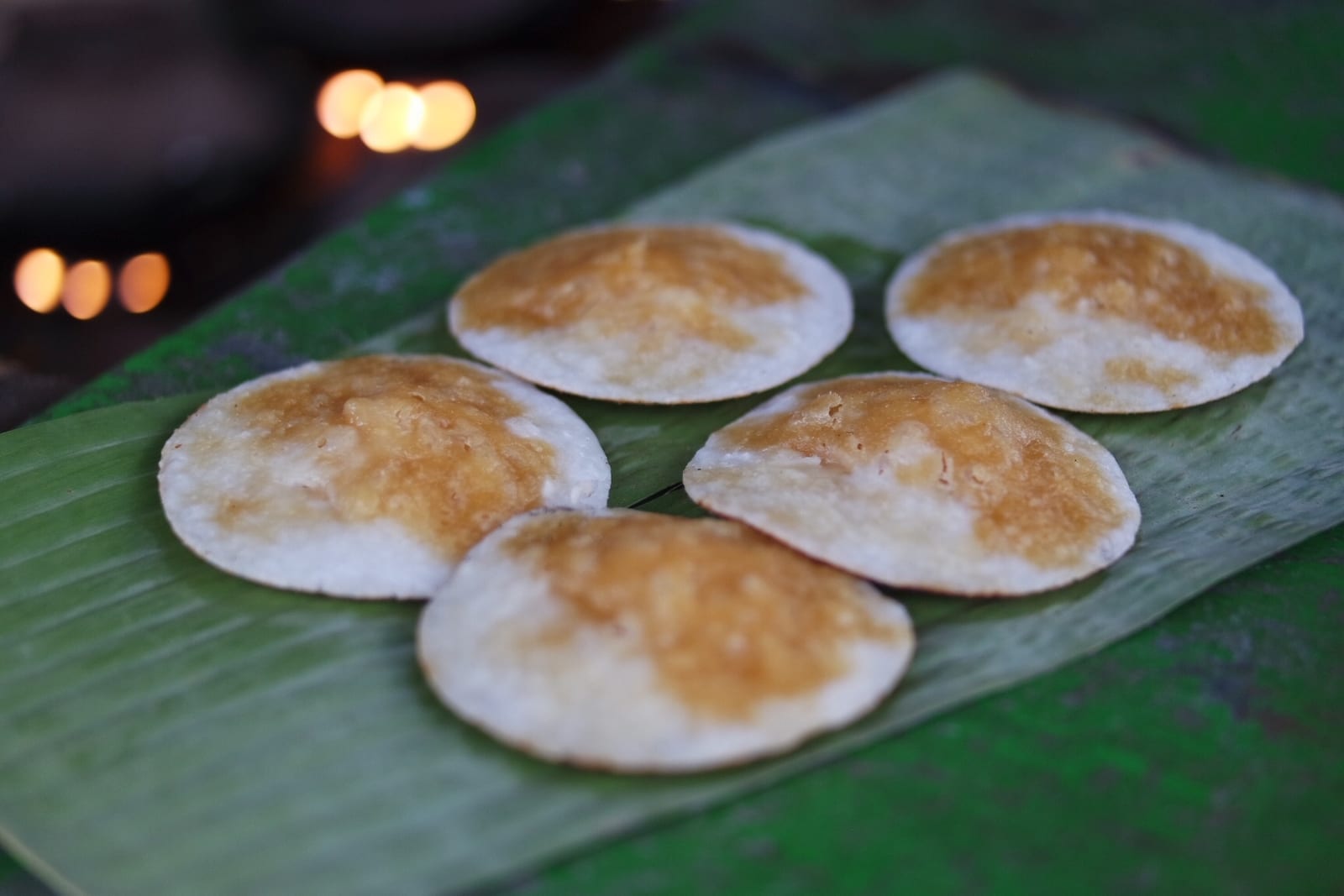
Teochew steamed rice cakes with the tremble of just-set custard, buried under dark chai poh fried slow in more oil than you want to know about.
 07
07Charcoal, Satay & Street·165 min·Advanced
Char Siu Pau叉烧包
Cloud-white steamed buns that burst open at the top, packed with sweet-savory diced char siu in a glossy oyster-sauce gravy — the dim sum trolley's most requested parcel.