Char Siu Pau
叉烧包
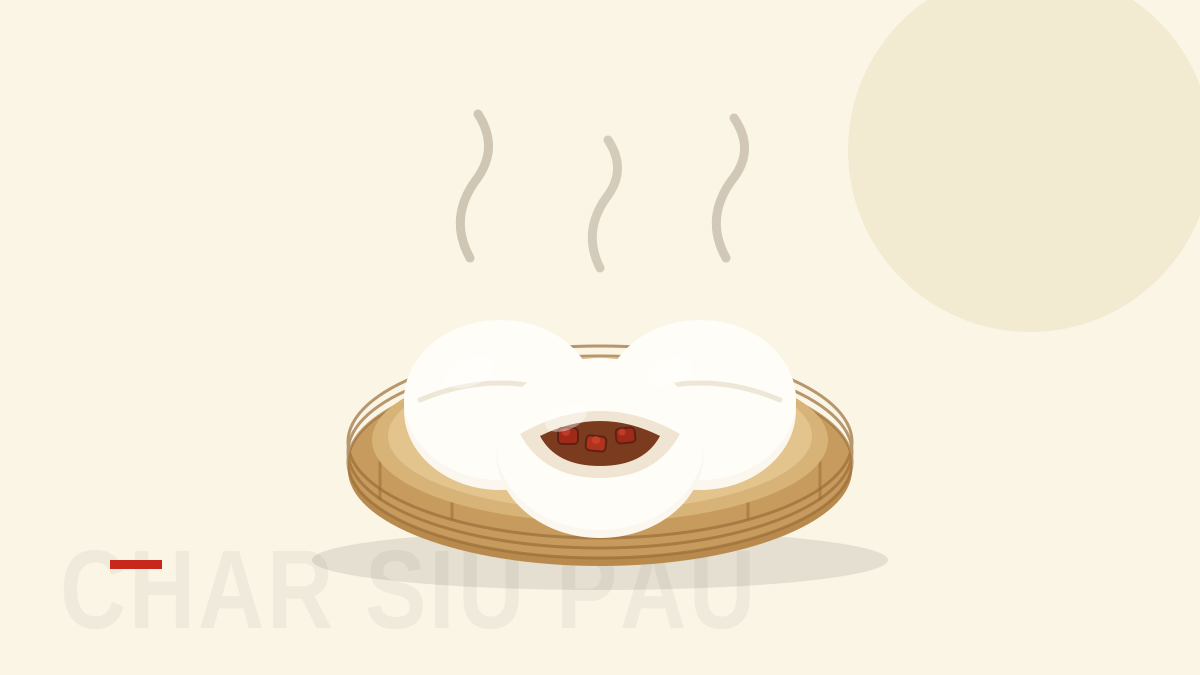
Cloud-white steamed buns that burst open at the top, packed with sweet-savory diced char siu in a glossy oyster-sauce gravy — the dim sum trolley's most requested parcel.
By The Singaporean Recipes Kitchen · World Cookbook Series · July 9, 2026
Tiong BahruStreet hawkers & the kampong, 1900s–1942
 07
07- Prep
- 150 min
- Cook
- 15 min
- Serves
- 10
- Level
- Advanced
The char siu pau is a small feat of engineering disguised as a snack. Everyone recognizes it — the cloud-white bun that splits open at the crown to show a glossy pocket of sweet roast pork inside, the most-pointed-at parcel on any dim sum trolley. What almost no one realizes until they try to make one is how much deliberate technique hides inside something so soft and unassuming. The Cantonese teahouse and bakery tradition that carried these buns to Singapore treated pau-making as a specialist's craft, and an afternoon at your own steamer will teach you why.
Let's be direct about what it is: a pork bun, and only a pork bun. Char siu is roast pork, and there is no honest way to make a char siu pau without it — the name literally means the thing that's inside. This site won't dress up a chicken version and pretend it belongs here. If pork is off your table, the steamed-bun family is wide, and a red-bean or vegetable pau will treat you well; this particular bun is just not built for that swap, and saying otherwise would be a lie of convenience.
The magic trick everyone chases is the burst — the "laughing" split that opens the top into four white petals — and it is genuinely a trick, not luck. It takes a low-protein flour with barely enough gluten to hold together, a double leavening of yeast for flavor and baking powder for lift, and a steamer going at a hard, roaring boil so the heat hits fast enough to blow the weak crumb open before it can set shut. Get any one of those wrong and you get a smooth, sullen dome. It is, frankly, an Advanced bun, and your first batch may sulk. But cook and chill the filling firm, knead the baking powder in properly, steam it hard, and let the lid come off slow — and you'll pull out the laughing buns the trolley made famous, made in your own kitchen, which is its own small victory.
The split top is engineered, not lucky — weak flour, a double lift, and a steamer at full roar do the laughing for you.
Shiok (when it's exactly right) · A word from the kitchen
Ingredientsbahan-bahan
Serves
The filling
- 300 gchar siu, diced small (bought, or from the site recipe) (about 10 oz)this is roast pork — a pau is a pork bun and cannot honestly be made otherwise; dice it fine so it distributes
- 2shallots, finely chopped
- 1 tbspoyster sauce
- 1 tbsphoisin sauce
- 1 tspdark soy sauce
- 1 tbspsugar
- 1 tspsesame oil
- 150 mlwater or chicken stock (2/3 cup)
- 1 tbspcornstarch, mixed with 2 tbsp cold waterthe filling must set firm and cold before wrapping — a runny filling soaks the dough and drowns the bun
The dough
- 300 glow-protein or Hong Kong bao flour (2 1/2 cups)low protein is what gives that soft, cottony crumb; bread flour makes a chewy bun that will not burst white
- 40 gsugar (3 tbsp)
- 5 ginstant yeast (1 1/2 tsp)
- 150 mllukewarm milk or water (2/3 cup)
- 20 glard or neutral oil (1 1/2 tbsp)
- 1 tspbaking powderworked in after the first rise — this, plus a fast steam, is what forces the signature split top
For steaming
- 10paper squares, about 7 cm each
- white vinegar, a splash in the steaming water, optionala hawker whitening trick — it keeps the buns paler
Methodcara masak
Step 1: Cook and chill the filling first
Fry the shallots in a little oil until soft, add the oyster sauce, hoisin, dark soy, sugar, sesame oil, and water, and bring to a simmer. Stir in the cornstarch slurry and cook until it turns thick and glossy and clings to a spoon, then fold in the diced char siu. Spread it on a plate and refrigerate at least an hour until cold and firm — this is non-negotiable; warm, loose filling will tear wet holes in your dough and you'll never seal the pleats. Cold filling wraps like a dream.
Step 2: Make and prove the dough
Whisk the flour, sugar, and yeast, then work in the milk and lard to a shaggy mass and knead 10 minutes until smooth, soft, and springy — it should bounce back slowly when pressed. Cover and prove in a warm spot 60 to 90 minutes until doubled. A cold kitchen will stall the yeast, so find the warmest corner you have; the rise is where the fluffy crumb is born.
Step 3: Knead in the baking powder
Punch the dough down, sprinkle over the baking powder, and knead a full 3 to 4 minutes to distribute it evenly — miss a pocket and that bun steams up dense and yellow. This double-leavening (yeast for flavor and structure, baking powder for the fast lift) is the whole secret behind the explosive white split top. The dough should feel silky and taut now.
Step 4: Wrap the buns with pleats
Divide into 10 pieces, roll each into a disc thicker at the center than the rim, and cup a heaped tablespoon of cold filling in the middle. Pleat the edge up and around in small folds, twisting closed at the top — aim for that gathered flower knot the dim sum houses show off, but a well-sealed simple gather works just as well. Sit each on a paper square. A weak seal will spill filling and steam flat, so pinch it shut with conviction.
Step 5: Second prove, then steam hard and fast
Rest the wrapped buns 20 to 30 minutes until visibly puffy and light to the lift — under-proved buns steam up wrinkled and tight. Meanwhile get the steamer roaring at a full, hard boil. Steam over high heat 12 to 15 minutes; the fierce, immediate heat is what shocks the top open into that four-petal burst. Do not crowd them — they nearly double.
Step 6: Kill the heat and wait before you open
Turn off the heat and leave the lid on for 3 minutes before lifting it. Pulling a hot steamer lid straight off drops cold air onto the buns and collapses them into sad wrinkled fists — the gradual cooldown lets the crumb set. Serve warm. They freeze beautifully steamed; re-steam from frozen for 6 minutes and no one will know.
Perkakas · The tools
Equipment
Bamboo steamer
Chwee kueh, pau, and whole fish — bamboo breathes, so condensation never rains back onto your work.
Shop on Amazon →Small charcoal grill
satay grillSatay is charcoal or it is something else. A narrow hibachi-style grill fans twenty sticks at once the way the stalls do.
Shop on Amazon →Chinese cleaver
chai daoChops through a whole chicken for chicken rice, smashes ginger with the flat, scoops the lot into the wok. One blade, most of the canon.
Shop on Amazon →
Equipment links are Amazon affiliate links. As an Amazon Associate we earn from qualifying purchases, at no cost to you. Disclosure.
Rate this recipe
Questions from the kitchen
Why do the buns at good dim sum houses burst open and mine steam up smooth?
The split top — the laughing bun, sometimes called it — is a deliberate collaboration of three things: a low-protein flour, a double leavening of yeast plus baking powder, and a steamer going at a hard, immediate boil. Miss any one and you get a smooth dome instead. Bread flour is the usual culprit at home; its gluten holds the top shut where the weak, cottony bao-flour crumb tears open under the fast heat. The burst is engineered, not luck.
My buns came out dense, yellow, and wrinkled. What happened?
Probably three overlapping faults. Dense and yellow usually means the baking powder wasn't kneaded in evenly, or the dough was under-proved. Wrinkled almost always means you yanked the lid off a hot steamer — the temperature shock collapses the set crumb, so always cut the heat and wait three minutes. And if they steamed up tight and small, the second prove was too short; the wrapped buns need to look genuinely puffy before they go in.
Can I use shop-bought char siu, and is there a halal version?
Shop-bought char siu is the norm even in stalls, so buy it with a clear conscience and spend your effort on the dough, which is the hard part. There is no honest halal version, though — a char siu pau is by definition a roast-pork bun, and swapping in chicken makes a different bun that shouldn't wear this name. If you want a steamed bun without pork, look to a vegetable or red-bean pau instead and let this one be what it is.
Makan lagi · Cook next
Keep the burner on
 07
07Charcoal, Satay & Street·70 min·Intermediate
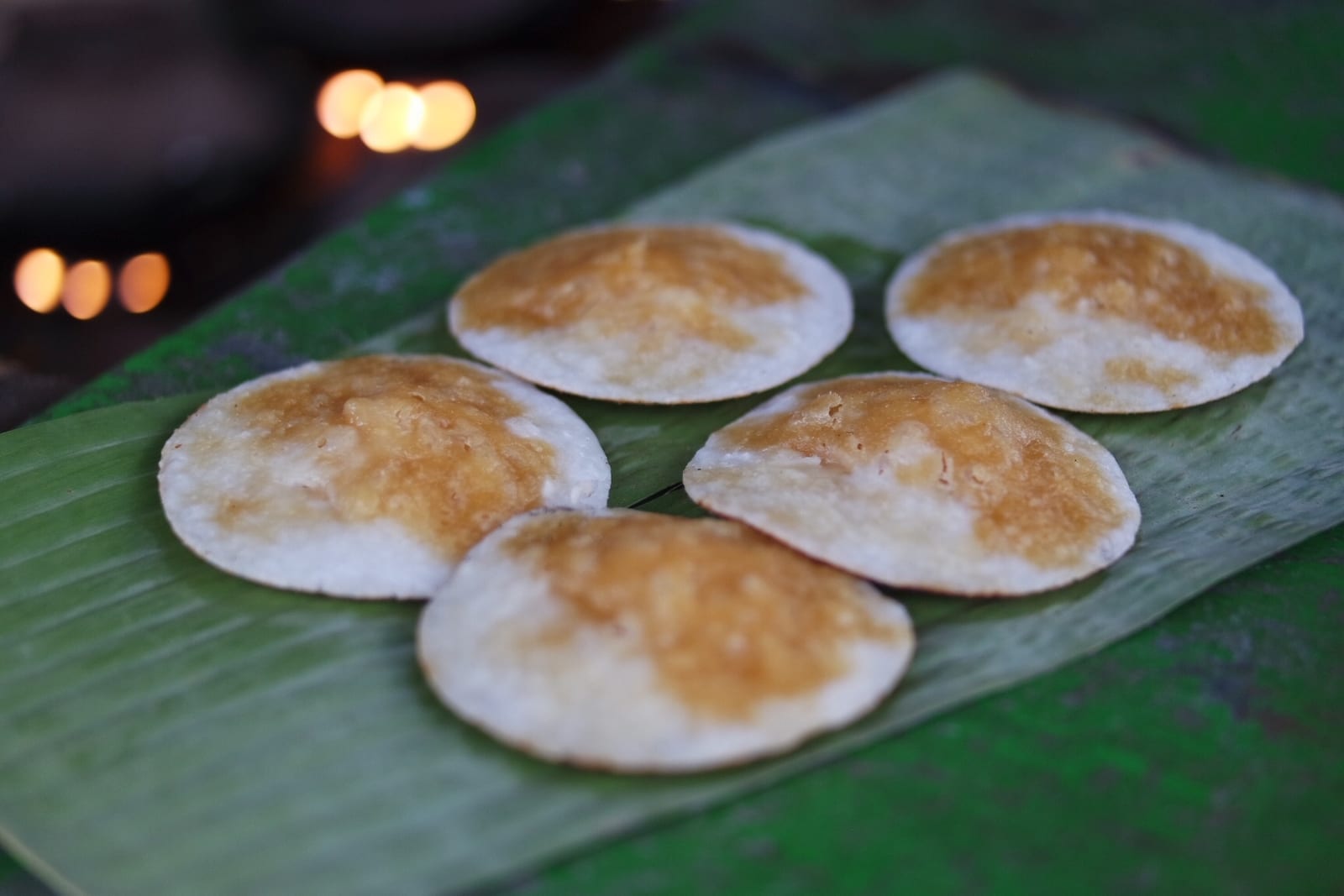
Chwee Kueh水粿
Teochew steamed rice cakes with the tremble of just-set custard, buried under dark chai poh fried slow in more oil than you want to know about.
 07
07Charcoal, Satay & Street·60 min·Intermediate
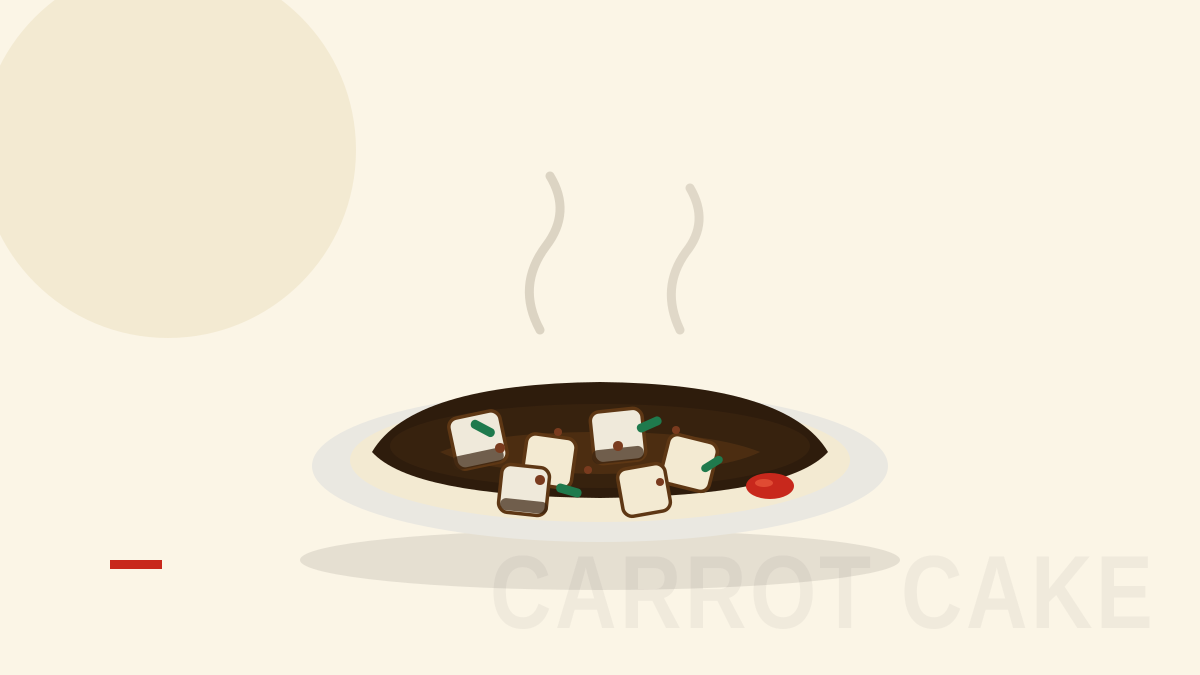
Chai Tow Kway菜头粿
Steamed radish cake cut into cubes and fried hard with egg, garlic, and salty preserved radish — the hawker carrot cake that comes two ways, white or black, and neither is wrong.
 07
07Charcoal, Satay & Street·35 min·Intermediate
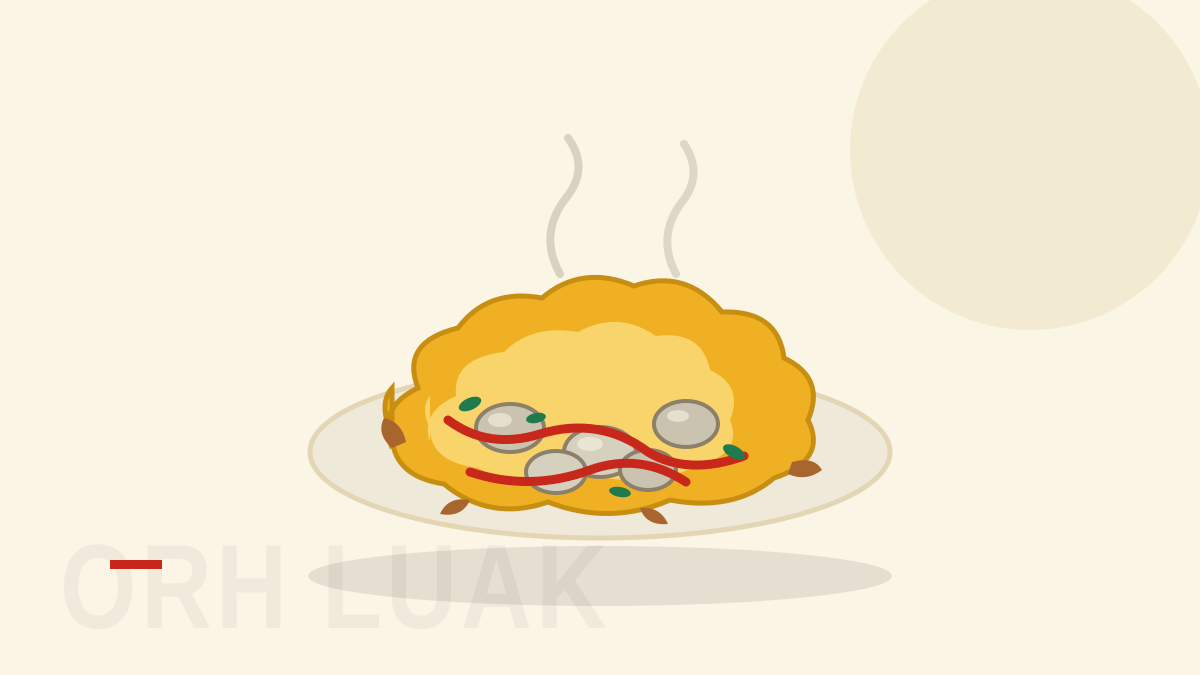
Orh Luak蚝烙
Small oysters folded into egg and a rice-and-tapioca batter, griddled hard so the edges shatter like lace while the centre stays molten — the Teochew oyster omelette.