Teochew Braised Duck Rice
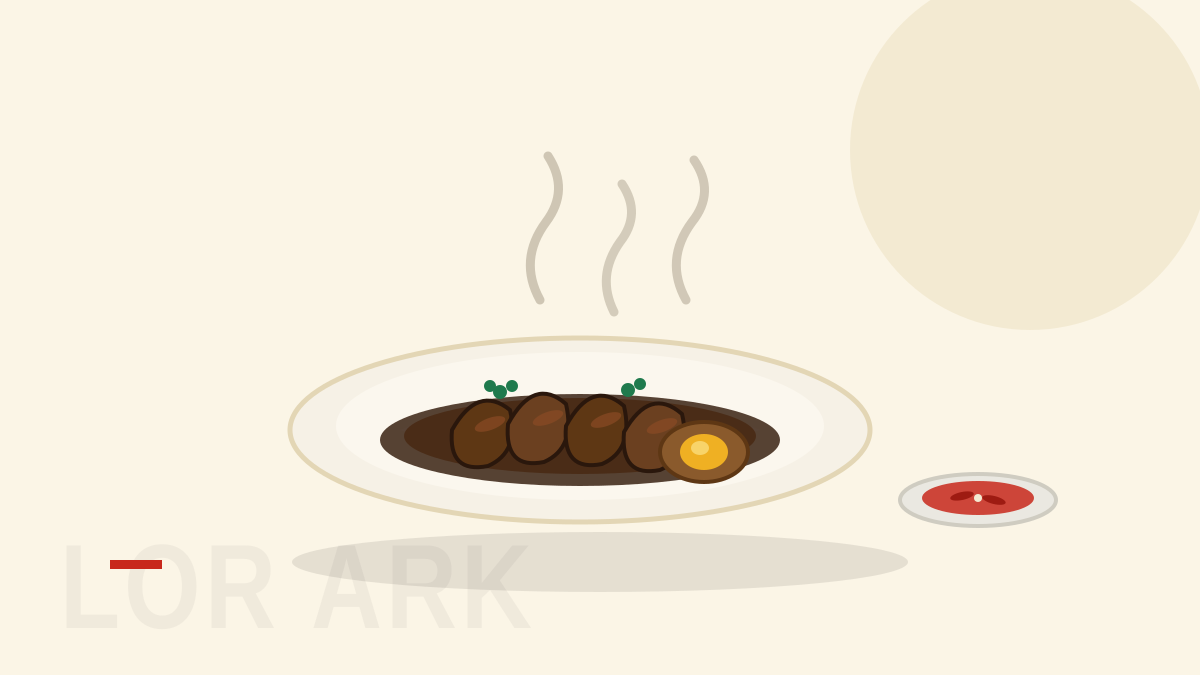
卤鸭饭 · lor ark
A whole duck simmered in a Teochew master braise of galangal, dark soy, and five-spice, sliced over rice in its own gravy — an heirloom pot you keep alive.
By The Singaporean Recipes Kitchen · World Cookbook Series · July 1, 2026
Balestier & WhampoaStreet hawkers & the kampong, 1900s–1942
 03
03- Prep
- 30 min
- Cook
- 150 min
- Serves
- 6
- Level
- Advanced
There is a kind of cooking that is really custody. You do not so much make Teochew braised duck as tend a braise that predates the duck currently in it — the lor, the dark spiced liquid that a stall might have kept going for years, boiling it down and building it back, each bird leaving a little of itself behind for the next. The good stalls around Balestier and the old Teochew kitchens treat that pot as an inheritance, and while your first attempt at home starts from nothing, the recipe only makes full sense once you understand that the braise is meant to outlive the meal.
The Teochew came to Singapore as one of the island's founding Chinese communities, and they brought a whole grammar of braising with them — lor, the master stock of soy and rock sugar and spice that lacquers everything it touches. Braised duck is its showpiece. What marks it as Teochew and not just another soy-braised bird is the galangal — woody, resinous, sitting under the five-spice where a Cantonese cook would have reached for ginger. Taste a proper lor ark and that note is the thing your tongue can't quite name; that is the galangal, and it is not negotiable.
The technique is patience disguised as simplicity. A bare simmer, never a boil, for the better part of an afternoon, the duck turned once so both sides drink evenly, a chopstick into the thigh as the only timer that matters. Rush it with high heat and you get the two classic failures at once — flabby skin and dry meat. Cook it slow and the reward is a bird that carves in soft dark slices, over rice cooked in its own rendered fat, under a gravy reduced from its own braise.
And then you keep the pot. Strain it, boil it, freeze it, and the next duck starts richer than this one did. That is the quiet promise of the dish — that the effort compounds, that a braise is less a recipe than a relationship, and that somewhere in Singapore there is a pot of lor older than the cook stirring it.
The duck is a guest in the pot. The lor is the heirloom — strained, boiled, frozen, and richer every time you use it.
Shiok (when it's exactly right) · A word from the kitchen
Ingredientsbahan-bahan
Serves
The duck
- 1whole duck, excess cavity fat trimmed (about 2 kg / 4.4 lb)a duck, not a goose — the classic lor ngo is goose, but duck is what the home pot has run on for decades
- 2 tbspdark soy sauce, for rubbing
The master braise (lor)
- 40 ggalangal, bruised (a large thumb)galangal, not ginger — this is the tell of a Teochew lor, the note that says braised duck and not five-spice chicken
- 8garlic cloves, bruised
- 6shallots, peeled and bruised
- 4star anise
- 2cinnamon sticks (10 cm)
- 1 tbspwhite peppercorns, cracked
- 6cloves
- 1 tspfive-spice powder
- 120 mldark soy sauce (1/2 cup)
- 60 mllight soy sauce (1/4 cup)
- 50 grock sugar, or gula melaka (3 tbsp)rock sugar melts to a cleaner sweetness and gives the gravy its lacquer shine
- 2 tbspneutral oil
- 1.5 Lwater or light stock, enough to nearly submerge the duck (6 cups)
The rice
- 400 gjasmine rice, rinsed until the water runs clear (2 cups)
- 2shallots, sliced and fried crisp in 2 tbsp of the duck's rendered fat
To serve
- 1 batchbraising liquid, skimmed and reduced, as gravy
- 1cucumber, sliced
- 1 batchgarlic-chili-vinegar dip (pounded garlic, red chili, and rice vinegar)the sharp cut against the rich dark braise — never skip it
Methodcara masak
Step 1: Caramelise the sugar, build the lor
In a stockpot just larger than the duck, warm the oil and rock sugar over low heat until the sugar melts and turns amber — watch it, because it goes from amber to bitter in seconds. Add the galangal, garlic, shallots, and whole spices and let them sizzle a minute until fragrant, then pour in both soys and the water. This dark, spiced liquid is the lor, the master braise, and its whole character is set in these first few minutes.
Step 2: Blanch and colour the duck
Rub the duck all over with the 2 tablespoons of dark soy and let it sit while the lor comes to a simmer. Lower the whole duck in breast-down — the liquid should come nearly to the top of it. If it sits too proud, add hot water or stock until it is almost submerged; a duck that braises half in air cooks unevenly and colours in patches.
Step 3: Braise low and slow, turning once
Bring it to a bare simmer — a lazy blip, never a rolling boil, which would toughen the meat and turn the skin to rags — cover, and braise 2 to 2.5 hours. Turn the duck once at the halfway mark so both sides drink the braise evenly. It is done when a chopstick slides into the thickest part of the thigh with no resistance and the leg wobbles loose at the joint. Lift it out onto a board and let it rest before carving.
Step 4: Cook the rice in duck fat
While the duck rests, skim the fat off the top of the braise and use a couple of spoonfuls to fry the sliced shallots crisp, then cook the rinsed rice in it briefly to coat before adding water and steaming as usual, or run it through the rice cooker. Rice cooked in the duck's own fat carries the braise into every grain — plain white rice under this duck is a missed opportunity.
Step 5: Reduce the gravy and serve
Strain a few ladles of the braising liquid, skim it again, and reduce it over high heat until it is glossy and coats a spoon — this is the gravy. Carve the duck off the bone in thick slices, lay them over the fat-cooked rice, and spoon the dark gravy over the top. Serve with cucumber, the crisp shallots, and the garlic-chili-vinegar dip alongside. Keep the leftover lor — strained, boiled, and frozen, it becomes the base of your next braise, richer each time.
Perkakas · The tools
Equipment
Tall stockpot (10 qt+)
Prawn broth, bak kut teh, laksa gravy — the deep pot keeps a lazy simmer lazy and your kitchen unsplattered.
Shop on Amazon →Chinese cleaver
chai daoChops through a whole chicken for chicken rice, smashes ginger with the flat, scoops the lot into the wok. One blade, most of the canon.
Shop on Amazon →Rice cooker
Rice worth queuing for starts with rice cooked without drama. First appliance bought, last surrendered.
Shop on Amazon →
Equipment links are Amazon affiliate links. As an Amazon Associate we earn from qualifying purchases, at no cost to you. Disclosure.
Rate this recipe
Questions from the kitchen
Why galangal in a braise, when everything else uses ginger?
Because that galangal is the Teochew signature, the single note that separates lor ark from every other soy-braised bird. Ginger gives a braise a bright, clean heat; galangal gives it something woodier and more resinous that sits under the five-spice and reads unmistakably as this dish. Old braise pots — the ones stalls have kept going for years — build that character in layers, but even a first pot should start with galangal, not ginger. It is not a substitution question.
My duck skin came out flabby and the meat was dry. What happened?
Two different faults, often from the same cause — too hard a boil. A braise this long must stay at a bare simmer; a rolling boil renders the skin to mush and squeezes the meat dry at the same time. Keep the heat low enough that the surface only shivers. Dry meat can also mean it went past done — start checking the thigh at two hours, because ducks vary and an overcooked braise is a one-way trip.
Can I braise just duck legs instead of a whole bird?
Yes, and it is a sensible weeknight cheat — legs are the forgiving cut and hold up to the long braise better than the breast. Use the same lor, submerge four to six legs, and braise 90 minutes to two hours until tender. You lose the ceremony of carving a whole duck and the rendered fat from the cavity for the rice, but you keep the braise, which is where the dish actually lives.
Makan lagi · Cook next
Keep the burner on
 03
03Rice & Chicken Rice·80 min·Intermediate
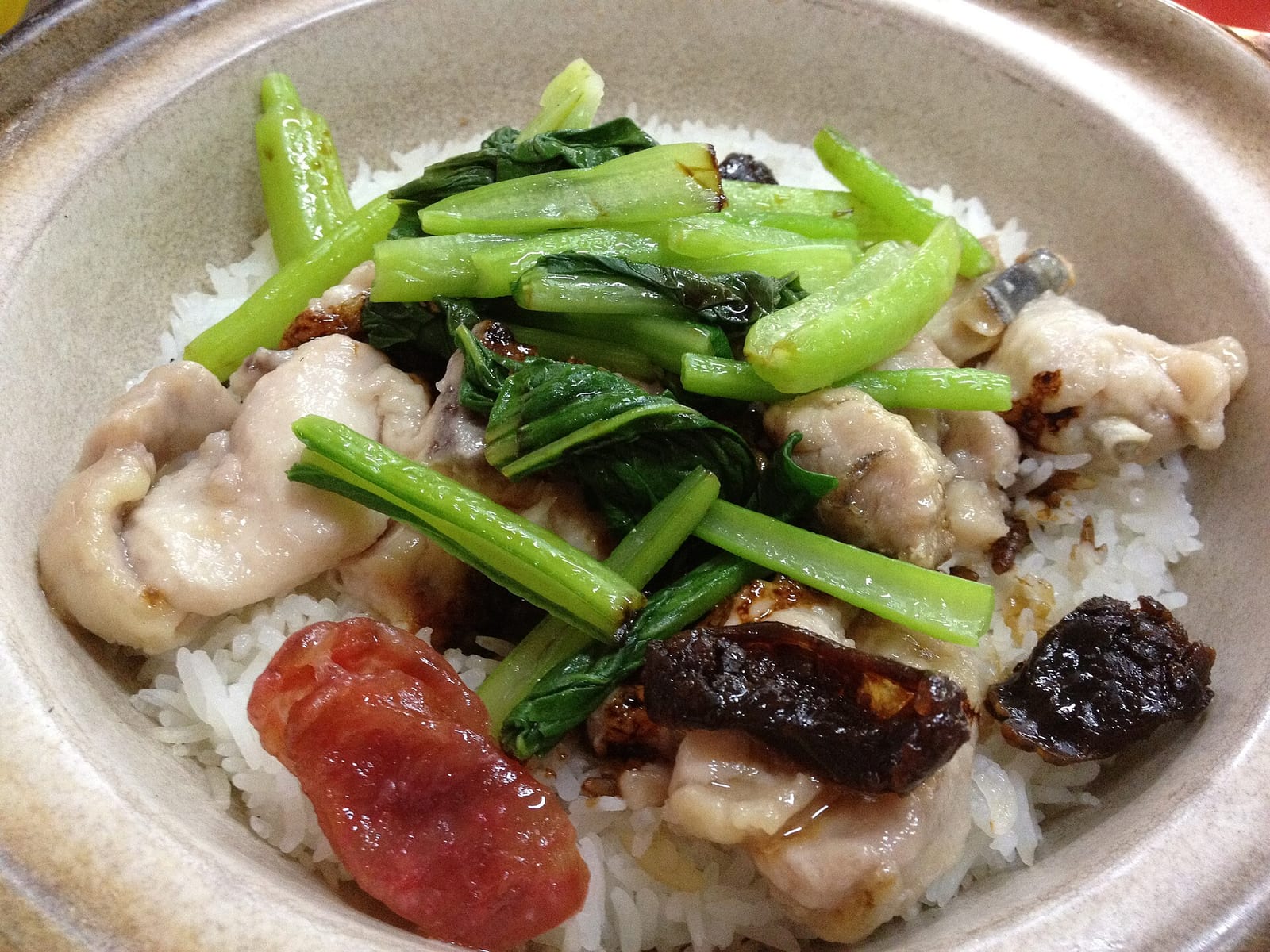
Claypot Rice砂煲饭
Rice cooked in the pot it is served in, lap cheong and salted fish laid on top, dark soy over everything — and the bottom crust is the whole point.
 03
03Rice & Chicken Rice·100 min·Intermediate
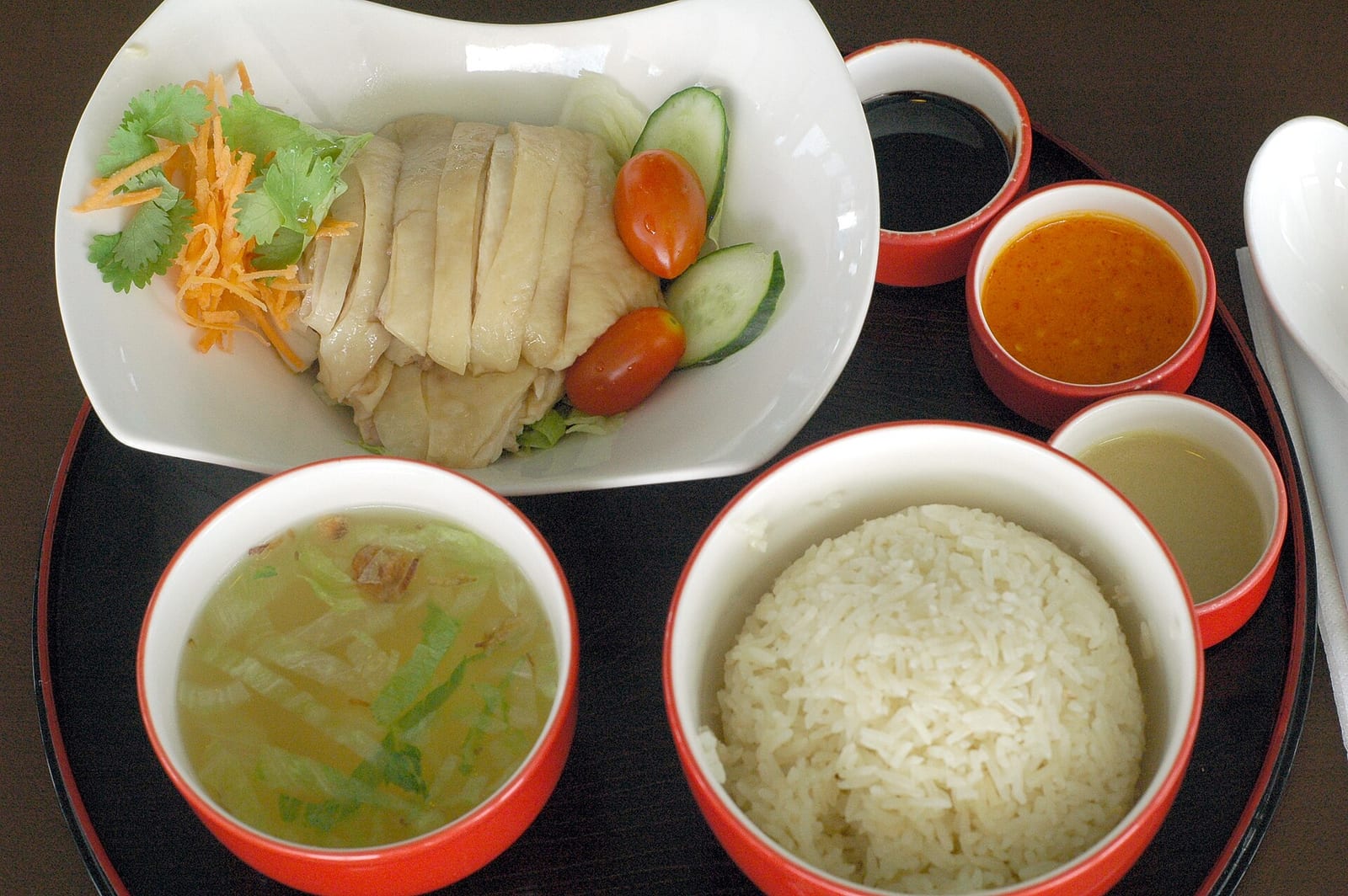
Hainanese Chicken Rice海南鸡饭
A whole bird poached to silk at a sub-boil, rice fried in its fat and cooked in its stock, three sauces standing by — the island's quietest masterpiece.
 03
03Rice & Chicken Rice·90 min·Intermediate
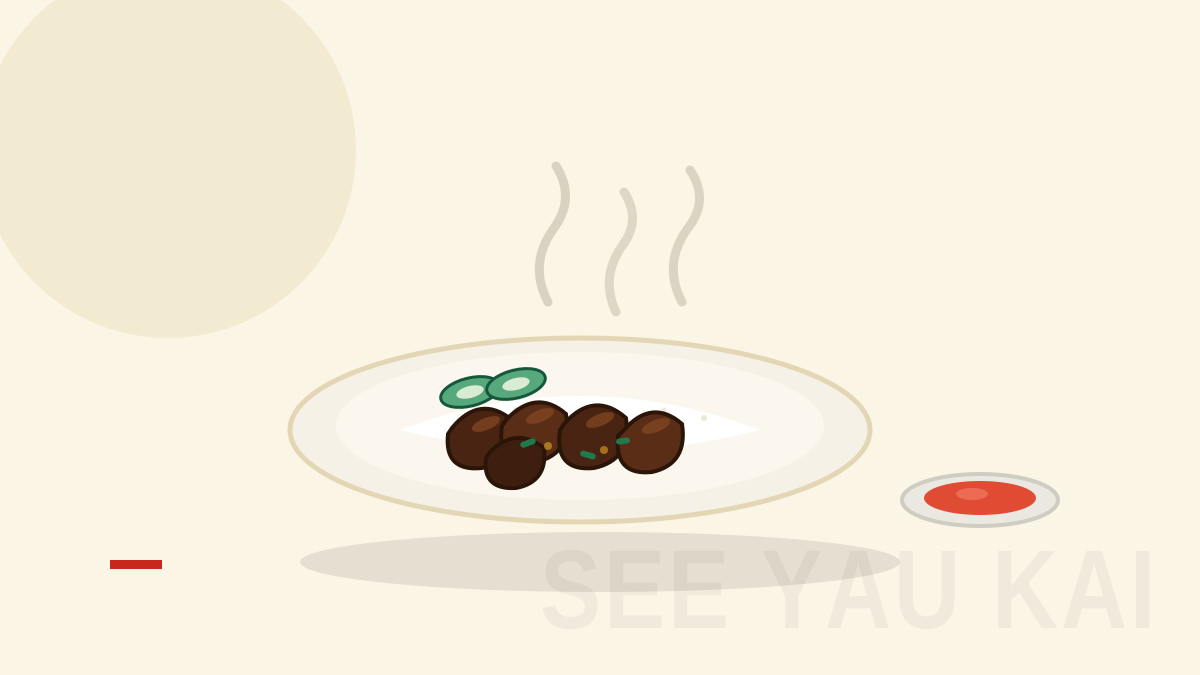
Soya Sauce Chicken Rice豉油鸡饭
Cantonese master-stock chicken lacquered mahogany in dark soy and rock sugar, carved over chicken-fat rice — the hawker plate the world started queuing for after 2016.