Bak Kut Teh
肉骨茶
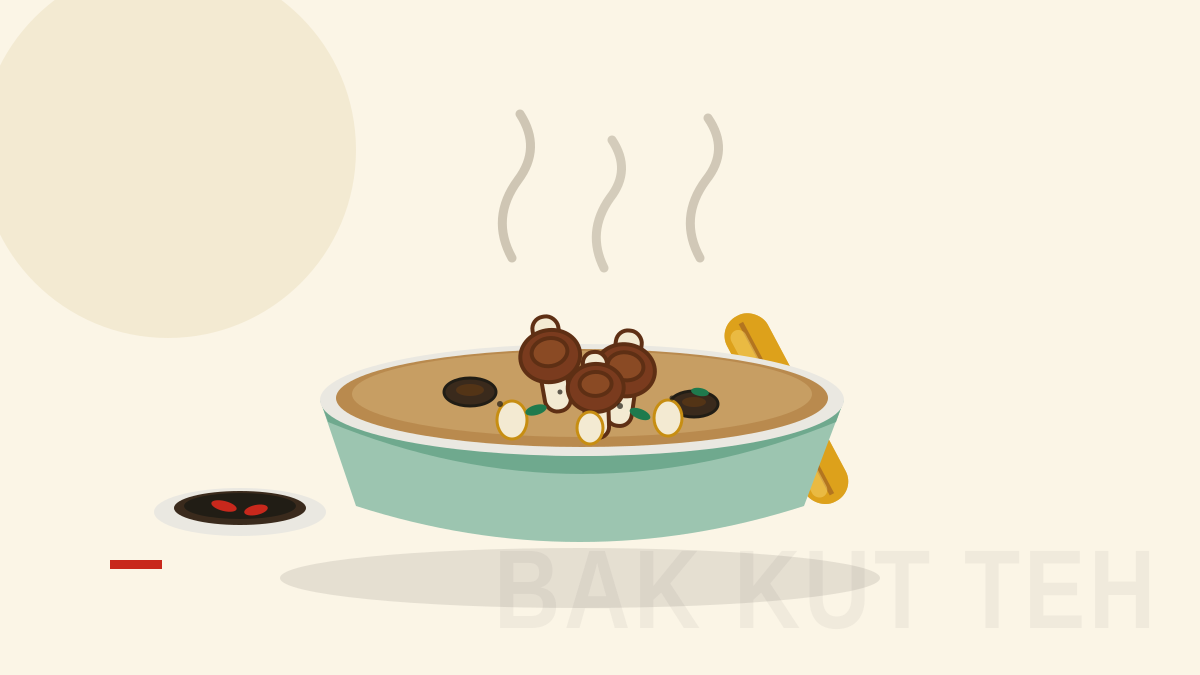
Pork ribs simmered with whole garlic and a fistful of cracked white pepper — the clear Teochew morning soup of the docks, refills on the house.
By The Singaporean Recipes Kitchen · World Cookbook Series · June 28, 2026
Balestier & WhampoaCrown Colony & coolie kitchens, 1867–1900s
 06
06- Prep
- 15 min
- Cook
- 90 min
- Serves
- 4
- Level
- Beginner
The first thing to settle about bak kut teh is the name, because it is a small con: "meat bone tea" contains no tea. The tea is the pot of dark oolong poured alongside, cup after bitter cup, to strip the pork fat from your palate between ribs. The soup itself is closer to a working drug — pepper for heat, garlic for strength, pork for calories — and that tells you who it was for. The origin story has labourers on colonial docks starting their shifts on it, a breakfast engineered for men about to carry other people's cargo for twelve hours.
Which docks, though, is where the fighting starts. Klang, the port town outside Kuala Lumpur, claims a founding hawker and defends the claim with municipal pride. Singapore's answer points at its own river coolies and its own century of pepper-and-pork mornings. Nobody on either side has a receipt. What can be said honestly is that the two cities cook two different soups: Klang's is the Hokkien style, dark with soy and thick with Chinese herbs, closer to a medicinal braise; Singapore's signature is the Teochew style — clear as consommé, pale gold, garlic-sweet, with white pepper doing all the talking. This recipe is the Teochew pot. If you want the herbal one, that is a real dish too; it is just a different recipe, and pretending otherwise is how food arguments turn nationalist.
The style's home ground in Singapore runs through the old morning neighbourhoods — Balestier, Whampoa, the kopitiam belts where the soup is still a breakfast rather than a dinner, eaten off melamine before eight in the morning with youtiao dunked until they collapse. The format matters as much as the recipe: the pot stays on the fire, and your bowl gets refilled with hot broth as you work through it. A bak kut teh that arrives once, cools, and ends is missing half of itself.
It is also, it should be said plainly, pork — centrally, unapologetically, in the name. And for all the folklore, it is one of the easiest serious dishes in the canon: a blanch, a quiet simmer, and the discipline to crack your pepper instead of grinding it. The coolies did not have technique. They had time and a pot. So do you.
There is no tea in bak kut teh. The tea is poured alongside, dark and bitter, to cut the fat — the soup's name remembers the ritual, not the recipe.
Shiok (when it's exactly right) · A word from the kitchen
Ingredientsbahan-bahan
Serves
The pot
- 1 kgpork prime ribs, cut into individual ribs (about 2¼ lb)this is a pork dish, plainly — ask the butcher for meaty single ribs, not a rack; loin ribs stay juicier than spare ribs over a long simmer
- 2.5 litreswater (about 10½ cups)water, not stock — the ribs and garlic ARE the stock, and anything else muddies the pepper
- 3whole heads of garlic, unpeeled, tops trimmedwhole and in their skins, so they sweeten and hold together instead of dissolving into sludge
- 2 tbspwhite peppercorns, toasted and coarsely crackedcracked, never ground fine — powder makes the soup gritty and grey; tie the cracked pepper in muslin if you want a clean bowl
- 1 tbsplight soy sauce
- 2 tspsalt, or to taste
- 1 tsprock sugarnot sweetness you can name — just enough to round the pepper's edge
The table
- 2youtiao (fried dough sticks), cut into chunksfor dunking until they drink the soup — buy them; nobody fries youtiao for breakfast at home
- 3red chilies, sliced, in dark soy saucethe dip for the meat — dark soy for depth, chili for argument
- 4 bowlssteamed white rice
- 1 potstrong hot tea, tieguanyin or any dark oolongthe tea in bak kut teh — it never goes in the soup; it goes in you, to cut the fat between ribs
Methodcara masak
Step 1: Blanch the ribs
Cover the ribs with cold water in your stockpot, bring to a hard boil, and let them roll for three minutes while grey scum rises. Drain, rinse each rib under the tap, and wipe out the pot. This feels like doing the dishes before dinner, but it is the entire secret of a clear Teochew broth — the proteins that cloud a soup come out in the first three minutes or they stay in it for good.
Step 2: Toast and crack the pepper
Toast the white peppercorns in a dry pan over medium heat for two minutes, until they smell sharp and a shade nutty, then crack them coarsely in a mortar or under the flat of a cleaver. Toasting wakes the pepper up; cracking — rather than grinding — lets it give heat to the water without turning the broth cloudy and sandy. Tie the cracked pepper in a square of muslin if you have one.
Step 3: Build the pot
Return the ribs to the pot with the 2.5 litres of fresh water, the garlic heads, and the pepper. Bring it just to a boil, then drop to the barest simmer — one lazy bubble at a time. A hard boil emulsifies fat into the liquid and you lose the clarity you just worked for. Skim anything that surfaces in the first ten minutes.
Step 4: Simmer until the meat yields
Cook 60 to 90 minutes at that quiet simmer, lid ajar. You are done when a rib gives up its meat with one firm tug of the teeth but does not collapse off the bone — falling-apart pork is a Western pot-roast virtue, not a bak kut teh one; the Teochew bowl wants a little argument left in the meat. The broth should be pale gold and clear enough to read the pepper flecks at the bottom.
Step 5: Season and serve like a kopitiam
Season with the light soy, salt, and rock sugar, tasting as you go — the finish line is a broth that hits the back of your throat with pepper a second after you swallow. Serve ribs and broth over nothing, with rice, youtiao, and the chili-soy on the side, and keep the pot on the stove. Refilling the bowl from the simmering pot as you eat is not a serving suggestion; it is the format of the meal.
Perkakas · The tools
Equipment
Tall stockpot (10 qt+)
Prawn broth, bak kut teh, laksa gravy — the deep pot keeps a lazy simmer lazy and your kitchen unsplattered.
Shop on Amazon →Chinese cleaver
chai daoChops through a whole chicken for chicken rice, smashes ginger with the flat, scoops the lot into the wok. One blade, most of the canon.
Shop on Amazon →Spider strainer
Lifts blanched noodles out of the pot in one pass and fried shallots out of the oil in the next. One tool, half the hawker canon.
Shop on Amazon →
Equipment links are Amazon affiliate links. As an Amazon Associate we earn from qualifying purchases, at no cost to you. Disclosure.
Rate this recipe
Questions from the kitchen
Is bak kut teh Singaporean or Malaysian?
Sit down, this takes a minute. The dish almost certainly starts with Hokkien and Teochew labourers on colonial docks — pork bones and pepper as fuel for men hauling cargo — but WHICH docks is a live dispute. Klang, outside Kuala Lumpur, claims a founding hawker; Singapore's river coolies have their own story, and neither side has paperwork. What is true and checkable: the clear, garlicky, white-pepper Teochew style is Singapore's signature, and the darker, herbal, Hokkien style is what Klang pours. Two cities, two soups, one argument nobody needs to win.
My broth came out cloudy and grey. What went wrong?
One of two crimes, usually both. Either you skipped or rushed the blanch — those first three minutes of hard boiling and rinsing carry away the proteins that turn a broth murky — or you simmered too hard, which whips fat into the liquid like a vinaigrette. Blanch properly, then keep the pot so quiet you have to look twice to see it cooking. Ground pepper instead of cracked will also grey the pot; there is no rescuing that one.
Can I use a pre-mixed bak kut teh spice sachet?
You can, but know what you are buying — most sachets build the dark, herbal Hokkien-style pot, heavy with dang gui and cinnamon, which is a different (and legitimate) dish. The Teochew version this recipe makes is already the shortcut — pepper, garlic, pork, water. There is nothing left to remove.
Makan lagi · Cook next
Keep the burner on
 06
06Zi Char & the Wok·75 min·Intermediate
Frog Leg Porridge田鸡粥
Geylang after midnight — field chicken seared with dried chili and dark soy in a claypot, a bowl of silken porridge alongside to cool the fire.
 06
06Zi Char & the Wok·80 min·Intermediate
Singapore Curry Chicken咖喱鸡 · kari ayam
The HDB kitchen's Sunday pot — chicken and potatoes in a coconut curry where every community's spice box met, mopped up with baguette or rice, both correct.
 03
03Rice & Chicken Rice·180 min·Advanced
Teochew Braised Duck Rice卤鸭饭 · lor ark
A whole duck simmered in a Teochew master braise of galangal, dark soy, and five-spice, sliced over rice in its own gravy — an heirloom pot you keep alive.