Babi Pongteh
babi pongteh
Pork shoulder and shiitake braised slow with taucheo and gula melaka — the brown, bubbling everyday stew at the heart of the Straits-Chinese kitchen.
By The Singaporean Recipes Kitchen · World Cookbook Series · June 26, 2026
Katong–Joo ChiatCrown Colony & coolie kitchens, 1867–1900s
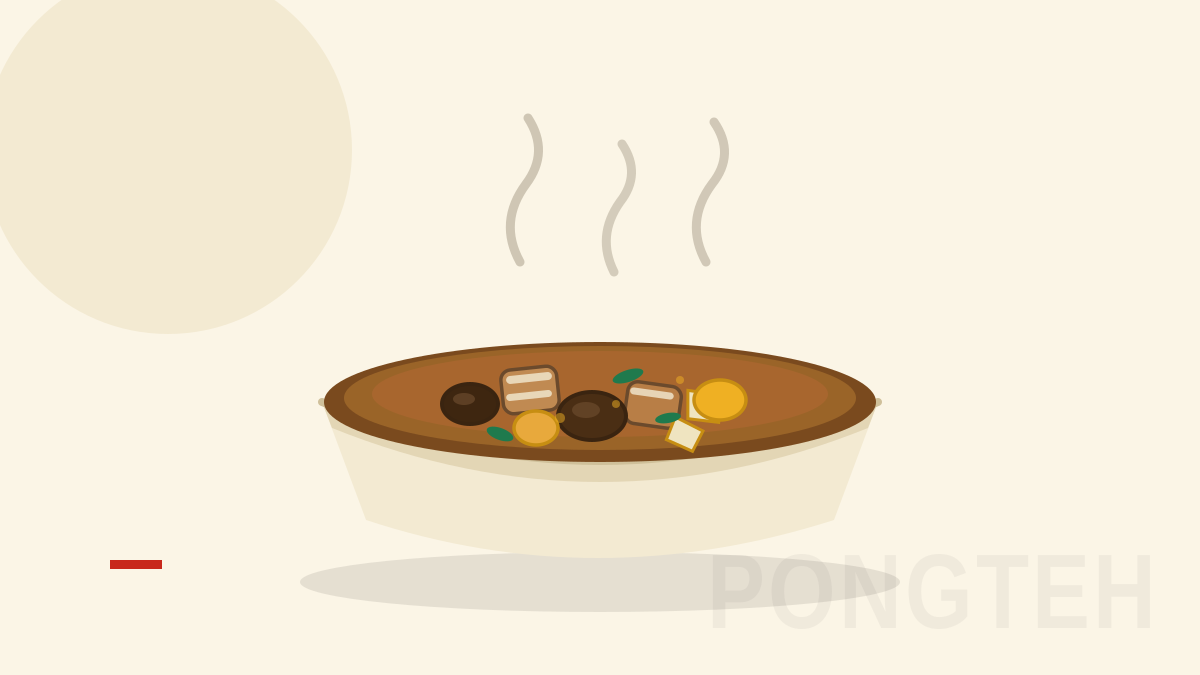 04
04- Prep
- 30 min
- Cook
- 105 min
- Serves
- 6
- Level
- Intermediate
If ayam buah keluak is the Peranakan kitchen's exam, babi pongteh is its Tuesday — the brown, bubbling, deeply unphotogenic stew that actually fed the Straits-Chinese households of Malacca, Penang, and Singapore week in, week out. It is a pork dish, front and center: babi means pig in Malay, and the name announces the community that cooks it, Chinese in ancestry and appetite, Malay in tongue and technique. There is no halal version of this dish and we will not insult anyone by inventing one; the Peranakan table simply sits on that side of the line, and honesty about it is part of respecting everyone involved.
The dish is a duet between two pantry immigrants. Taucheo — salted, fermented soybeans — came south in the provisions of Hokkien traders; gula melaka was already here, dripping out of coconut palms and boiled down in kampong kitchens. Fried together into a mound of melted shallots, they make the flavor that defines pongteh: salty-sweet, deeply savory, faintly funky, the gravy soaking into potatoes and shiitake until the vegetables become better versions of the meat. By the Crown Colony decades this was fixed canon in the Katong and Joo Chiat terrace houses, the thing simmering at the back of the stove during weddings and funerals alike, because it feeds many, improves overnight, and offends no one who is allowed to eat it.
It is also the right first Peranakan braise to learn. No toxic nuts, no three-day soak — just an honest sequence: shallots fried until they surrender, beans fried until they wake up, sugar melted until it darkens, then time. The single decision that matters is patience at the fry; a pongteh whose paste went in pale tastes like salty pork water, and one whose paste was fried properly tastes like a grandmother's house at noon. Make it the day before you want it. This is not a suggestion so much as how the dish works.
Pongteh is the Peranakan kitchen off duty — no ceremony, no exam, just palm sugar and fermented beans doing slow work while the household gets on with its day.
Shiok (when it's exactly right) · A word from the kitchen
Ingredientsbahan-bahan
Serves
The braise
- 1 kgpork shoulder, cut into 4 cm chunks (about 2.2 lb)this is a pork dish, plainly — babi is the Malay word for pig. Shoulder gives braise-proof meat; add 200 g belly if your family runs rich
- 10dried shiitake mushrooms, soaked in 400 ml hot water 30 minuteskeep the soaking water — it goes in the pot
- 400 gsmall potatoes, peeled and halved (about 14 oz)bamboo shoots are the older Malacca way; potatoes are how most Singapore households cook it now — both are legitimate
- 500 mlwater, plus the mushroom soaking liquid (about 2 cups)
The flavor base
- 250 gshallots, peeled (about 9 oz)yes, that many — pounded shallots dissolve into the gravy and become its body
- 8garlic cloves
- 4 tbsptaucheo (fermented soybean paste), lightly mashedbrands vary wildly in salt — taste yours before you commit, and rinse briefly if it is fierce
- 2 tbspgula melaka, chopped
- 1 tbspdark soy saucefor color more than salt — the gravy should be the brown of old teak
- 4 tbspneutral oil
- 1cinnamon sticksome households add it, some consider it heresy; ours adds it
Methodcara masak
Step 1: Pound the shallots and garlic
Pound the shallots and garlic to a rough paste in the lesung — rough is fine, this is not a rempah that needs silk. A quarter kilo of shallots looks excessive until you understand the plan; they will melt entirely into the gravy over the braise and become its texture, the way onions do in a French soubise. A food processor does this in ten seconds with a modest tax on sweetness.
Step 2: Fry the paste, then the taucheo
Heat the oil in a claypot or heavy pot over medium. Fry the shallot-garlic paste, stirring often, 8 to 10 minutes, until it collapses, turns pale gold, and smells sweet rather than sharp. Add the mashed taucheo and fry 2 minutes more — the beans should sizzle and turn fragrant and slightly darker. Frying the taucheo is what separates a rounded, savory pongteh from one that just tastes of salty beans.
Step 3: Caramelize the sugar into it
Add the gula melaka and stir until it melts into the paste and darkens a shade, about 1 minute. This little in-pot caramel is the signature of the dish — the sweet-salty handshake between palm sugar and fermented bean that defines pongteh's flavor.
Step 4: Seal the pork
Add the pork chunks and the cinnamon stick and turn everything through the paste until the meat is coated and its surfaces have gone opaque, about 5 minutes. Add the dark soy and stir once more.
Step 5: Braise low
Pour in the mushroom soaking water (leave any grit behind) and the plain water, add the soaked shiitake, and bring to a simmer. Cover and braise gently for 60 minutes. Add the potatoes and continue 30 to 40 minutes more, until the pork yields to a spoon, the potatoes are creamy, and the gravy has reduced to something loose but clinging — it should coat rice, not flood it. Taste at the end; between taucheo and dark soy it rarely needs added salt, but it may want another shave of gula melaka.
Step 6: Rest it, ideally overnight
Like every braise built on fermented beans, pongteh improves dramatically with a night in the fridge — the salt and sweetness settle into the meat and the gravy thickens. Reheat gently, loosen with a splash of water, and serve with white rice and, if you are doing it properly, a spoonful of sambal belacan on the side of the plate.
Perkakas · The tools
Equipment
Granite mortar & pestle
lesung batuThe rempah tool. Pounding bruises and bleeds the aromatics in a way blades never do — the lesung is the sound of a Singapore kitchen starting dinner.
Shop on Amazon →Claypot
sha baoFor claypot rice the pot IS the recipe — clay holds gentle heat, builds the crust, and comes to the table still ticking.
Shop on Amazon →Chinese cleaver
chai daoChops through a whole chicken for chicken rice, smashes ginger with the flat, scoops the lot into the wok. One blade, most of the canon.
Shop on Amazon →
Equipment links are Amazon affiliate links. As an Amazon Associate we earn from qualifying purchases, at no cost to you. Disclosure.
Rate this recipe
Questions from the kitchen
What does "pongteh" actually mean?
Nobody can tell you with a straight face. The babi part is easy — Malay for pig. Pongteh has been variously traced to Hokkien words for braising, for the pot, and for the fermented bean itself, and no two Peranakan aunties or academics land on the same answer. A dish this old in a community that spoke Baba Malay laced with Hokkien was never going to keep clean paperwork. The stew survived; the etymology did not. We find that a reasonable trade.
Mine came out punishingly salty. What happened?
Your taucheo did. Fermented soybean pastes range from gently savory to industrial brine depending on brand, and the recipe cannot know which jar you bought. Taste the paste raw before cooking — if it makes you flinch, use less or rinse the beans briefly and rely on dark soy for depth. If the pot is already too salty, add the potatoes earlier and bigger; they are excellent sponges, and a splash of water plus a knob more gula melaka rebalances the rest.
Can I do this in a pressure cooker?
Yes, and plenty of Singapore kitchens do exactly that on a weeknight — 25 minutes at high pressure for the pork, then potatoes simmered in the open pot until tender. What you lose is reduction; pressure cookers return thin gravy, so simmer it down uncovered at the end until it coats the rice properly. The overnight rest matters more than the cooking vessel. Skip that and you have eaten a draft.
Makan lagi · Cook next
Keep the burner on
 04
04The Peranakan Table·210 min·Advanced
Ayam Buah Keluakayam buah keluak
The Peranakan benchmark — chicken braised in tamarind gravy with buah keluak, the toxic nut that three days of soaking turns into black, truffle-dark gold.
 04
04The Peranakan Table·70 min·Beginner
Nonya Chap Chyechap chye
The everyday Peranakan braise — Chinese cabbage cooked soft in taucheo with lily buds, wood ear, and glass noodles, the quiet side that steals a feast.
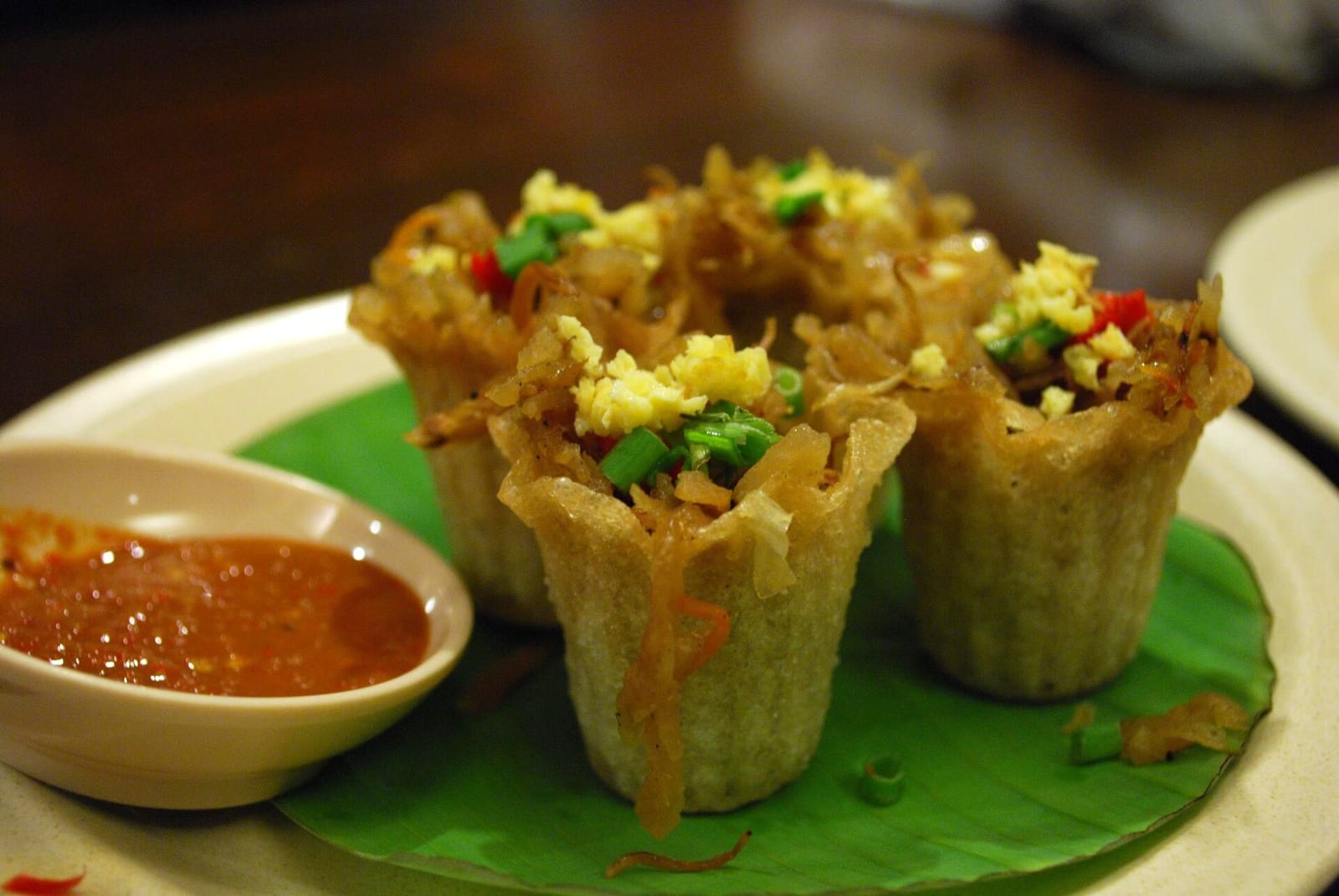 04
04The Peranakan Table·90 min·Intermediate
Kueh Pie Teekueh pie tee
Nyonya top hats — crisp fried cups filled with braised bangkwang and bamboo shoot, crowned with prawn and chili, gone in one bite at every party.