Nasi Lemak
nasi lemak
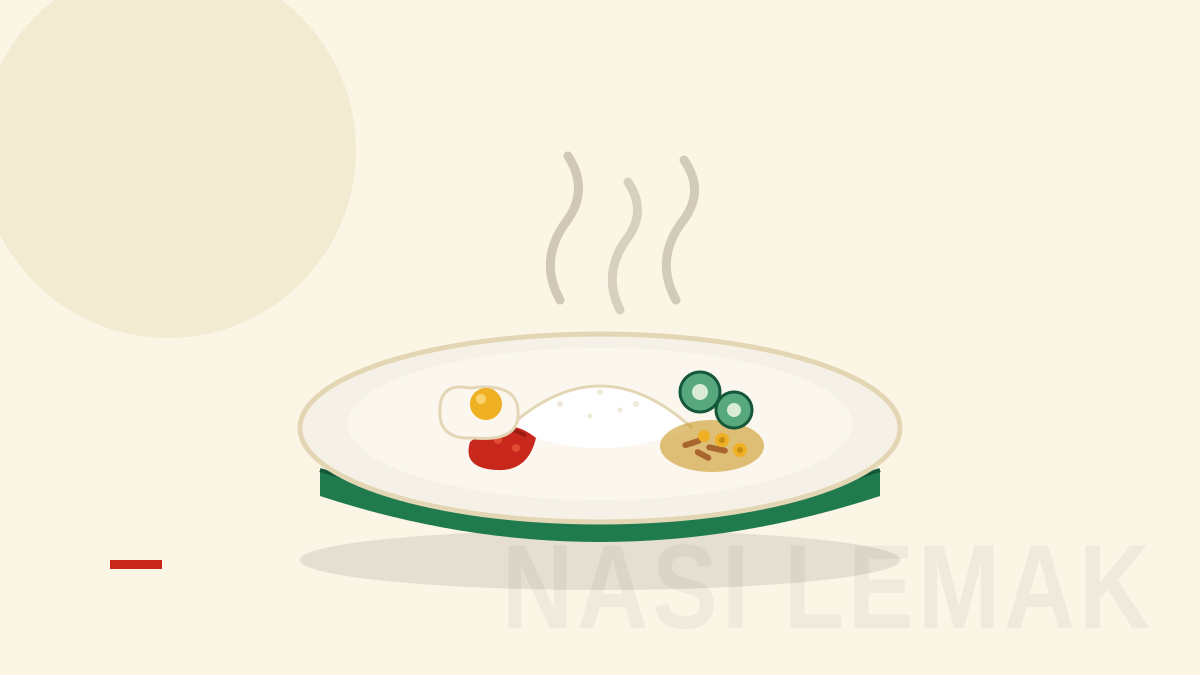
Coconut rice you can smell from the corridor, sambal fried until it darkens, crisp ikan bilis and peanuts — the Malay kampong breakfast, done properly.
By The Singaporean Recipes Kitchen · World Cookbook Series · June 24, 2026
Kampong GlamStreet hawkers & the kampong, 1900s–1942
No pork, no lard — as written.
 03
03- Prep
- 30 min
- Cook
- 50 min
- Serves
- 4
- Level
- Intermediate
Nasi lemak is the Malay kampong breakfast — rice cooked rich with santan, a spoon of dark sweet sambal, something crisp, something cool, all of it once wrapped in a banana-leaf pyramid and eaten before the day's work. It was farmer food and fisherman food, built to be cheap, portable, and substantial, which is why the classic wrap holds just rice, sambal, a scatter of ikan bilis, and maybe half an egg. The mountainous versions with fried chicken and rendang came later, with prosperity. Both are real; only one fits in your palm.
We place it in Kampong Glam because that district is the historic Malay quarter — the neighborhood where the island's Malay food culture has its deepest urban roots — not because nasi lemak was born on any particular street. It wasn't. It belongs to the kampongs generally, to the whole Malay world across the strait as much as here, and any origin story more specific than that is decoration. What Singapore contributed is ubiquity: nasi lemak is now school-canteen food, hawker food, army-cookhouse food, eaten by every community on the island at every hour, the rare dish that needs no translation between them. It is Malay food and therefore halal as written — no pork, no lard, nothing to check.
The engineering is worth respecting. This is a dish of five components on one plate, and each exists to correct another: the rice is rich, so the sambal is sharp; the sambal is hot, so the cucumber is cold; everything is soft, so the ikan bilis and peanuts are loud. Cook it as five small disciplines rather than one recipe and none of them is hard — the rice must not scorch, the sambal must fry until the oil returns, the anchovies must snap. The assembly is the easy part. It has been optimized by a few million breakfasts.
The sambal is the signature and the rice is the argument — everything else on the plate is just there to agree.
Shiok (when it's exactly right) · A word from the kitchen
Ingredientsbahan-bahan
Serves
The rice
- 400 gjasmine rice, rinsed until the water runs nearly clear (about 2 cups)rinsing removes the surface starch that would turn coconut rice gluey
- 200 mlcoconut milk (about 3/4 cup plus 1 tbsp)santan — the thick canned kind; light coconut milk defeats the entire premise
- 300 mlwater (about 1 1/4 cups)
- 2pandan leaves, tied in a knot
- 3thick slices ginger, smashed
- 1 tspfine salt
Sambal tumis
- 20dried red chilies, snipped open, seeds shaken out, soaked in hot water 15 minutes
- 6shallots, peeled
- 3garlic cloves
- 10 gbelacan, toasted (2 tsp packed)
- 6 tbspneutral oil
- 1large red onion, sliced into ringsgoes in whole-sliced, not pounded — the soft rings are half the pleasure
- 1 tbsptamarind pulp, soaked in 100 ml warm water and strained
- 1 1/2 tbspsugarthe sambal should finish sweet-hot; start here and adjust at the end
- 1/2 tspfine salt
The crisp things and the sides
- 80 gdried ikan bilis (anchovies), heads and guts pinched off (about 1 cup)rinse quickly, then dry completely on a towel — wet ikan bilis spatter and never crisp
- 80 groasted peanuts, skin-on (about 1/2 cup)
- 4eggshard-boiled and halved, or fried crisp-edged — both are canon; pick your camp
- 1/2cucumber, sliced into thin rounds
- 150 mlneutral oil, for frying the ikan bilis (about 2/3 cup)
Methodcara masak
Step 1: Cook the rice in santan, gently
Put the rinsed, well-drained rice in the rice cooker with the coconut milk, water, salt, ginger, and the pandan knot, and cook as normal. On the stove, bring it just to a simmer uncovered, then clamp the lid on at the lowest heat for 12 minutes and rest 10 off the heat. The gentleness matters — coconut milk scorches where water merely boils, and a hard boil splits the fat out of the milk so the rice fries at the bottom of the pot. Done right, each grain is separate, faintly sweet, and perfumed enough to announce itself from another room.
Step 2: Fry the ikan bilis to glass
Heat the oil in a wok over medium and fry the dried ikan bilis in two batches, stirring, until they go from silver to deep gold — about 2 to 3 minutes a batch. Lift them out with a spider the moment they color; they keep darkening for a few seconds and bitter is one shade past golden. Drain on paper. They should snap like glass when cool. Keep 2 tablespoons aside to fry into the sambal later.
Step 3: Pound and fry the sambal
Pound or blend the soaked chilies, shallots, garlic, and toasted belacan to a paste. Fry the paste in the 6 tablespoons of oil over medium heat, stirring often, for 10 to 12 minutes — it will slump, darken from bright red to brick, and release its oil back out around the edges. That returned oil is the doneness test, the same pecah minyak that governs every rempah on this site; a sambal stopped early tastes raw and angry instead of deep and sweet.
Step 4: Finish the sambal sweet, sour, and soft
Add the onion rings and cook 3 minutes until they slacken. Add the strained tamarind water, sugar, and salt and simmer 5 more minutes until the sambal is thick, glossy, and jammy. Stir in the reserved fried ikan bilis. Taste it against its job — it has to stand up to plain-ish rice — so it should read sweeter and saltier on the spoon than feels reasonable. Adjust sugar before salt.
Step 5: Assemble the plate — geography matters
Mound the rice, then arrange the sambal, ikan bilis, peanuts, egg, and cucumber in their own territories around it, touching but not mixed. Banana leaf under everything if you have it; the faint green perfume it lends warm rice is real, not nostalgia. Each forkful gets built at the table — some rice, some sambal, something crisp — which is the entire architecture of the dish.
Perkakas · The tools
Equipment
Rice cooker
Rice worth queuing for starts with rice cooked without drama. First appliance bought, last surrendered.
Shop on Amazon →Carbon-steel wok
chaoHalf this site happens in a wok, and carbon steel is the only honest choice at home — it heats fast, takes a season, and gets you the closest to wok hei your burner allows.
Shop on Amazon →Granite mortar & pestle
lesung batuThe rempah tool. Pounding bruises and bleeds the aromatics in a way blades never do — the lesung is the sound of a Singapore kitchen starting dinner.
Shop on Amazon →Spider strainer
Lifts blanched noodles out of the pot in one pass and fried shallots out of the oil in the next. One tool, half the hawker canon.
Shop on Amazon →
Equipment links are Amazon affiliate links. As an Amazon Associate we earn from qualifying purchases, at no cost to you. Disclosure.
Rate this recipe
Questions from the kitchen
What does "nasi lemak" actually mean?
Rich rice — lemak is the Malay word for the fatty richness coconut milk brings, and it is a compliment, not a warning label. The folklore, told with the appropriate raised eyebrow, involves a kampong daughter who spilled santan into the rice pot and answered her mother's "what did you cook?" with "nasi le, mak" — rice, mother. It's a pun, it's almost certainly invented, and it's been repeated at breakfast tables for generations anyway, which is its own kind of truth.
My coconut rice came out mushy and greasy. What happened?
Two usual suspects. Either the rice wasn't rinsed and drained properly, so surface starch plus coconut fat made paste, or the total liquid was too high — coconut milk counts fully toward your liquid, and this recipe's 500 ml against 400 g of rice already sits on the generous side. On the stove, a third suspect: heat too high, splitting the santan so the fat pools instead of coating each grain. Gentle simmer, tight lid, real rest.
Can I use sambal from a jar?
You can, and on a Tuesday morning nobody will judge you — but doctor it. Jarred sambal is usually all heat and vinegar with none of the slow-fried depth, so fry it in a little oil for 3 or 4 minutes with sliced onion, then add a pinch of sugar and a squeeze of tamarind or lime. Ten minutes of honesty applied to a shortcut gets you surprisingly close. The one thing with no substitute is freshly fried ikan bilis; the pre-fried packets go stale-soft and taste of the packet.
Makan lagi · Cook next
Keep the burner on
 03
03Rice & Chicken Rice·255 min·Advanced
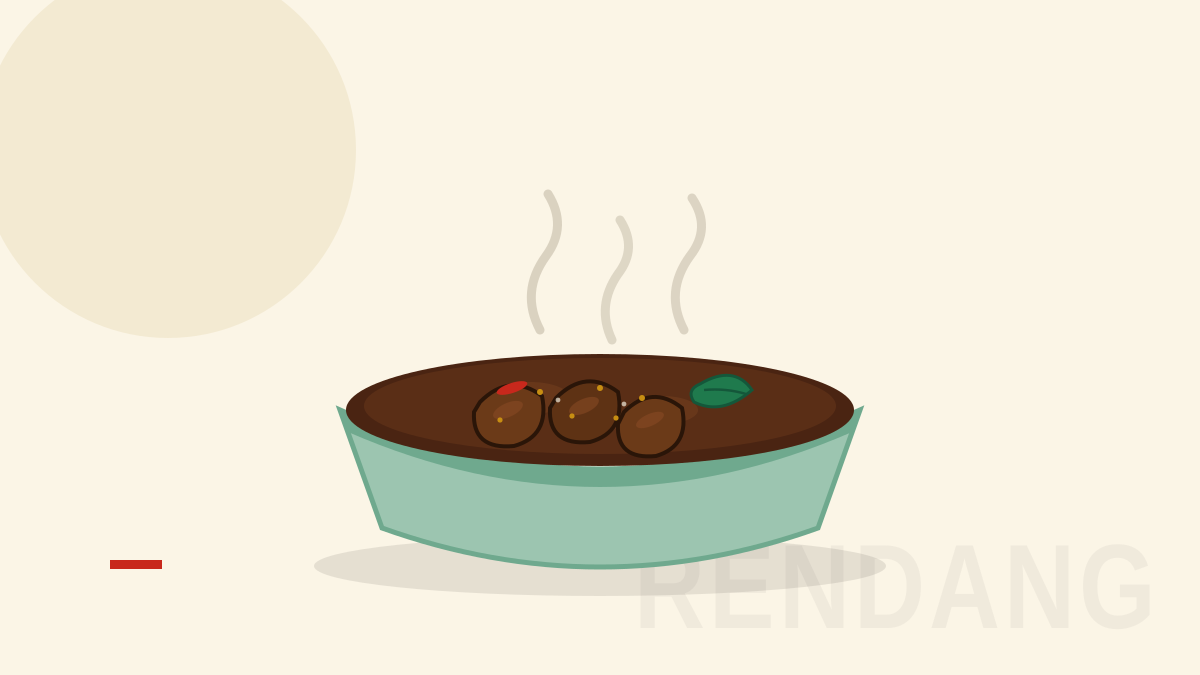
Beef Rendangrendang daging
Minangkabau slow science — beef simmered in coconut milk for hours until the liquid vanishes, the oil splits, and the meat fries in its own spiced fat.
 03
03Rice & Chicken Rice·100 min·Intermediate
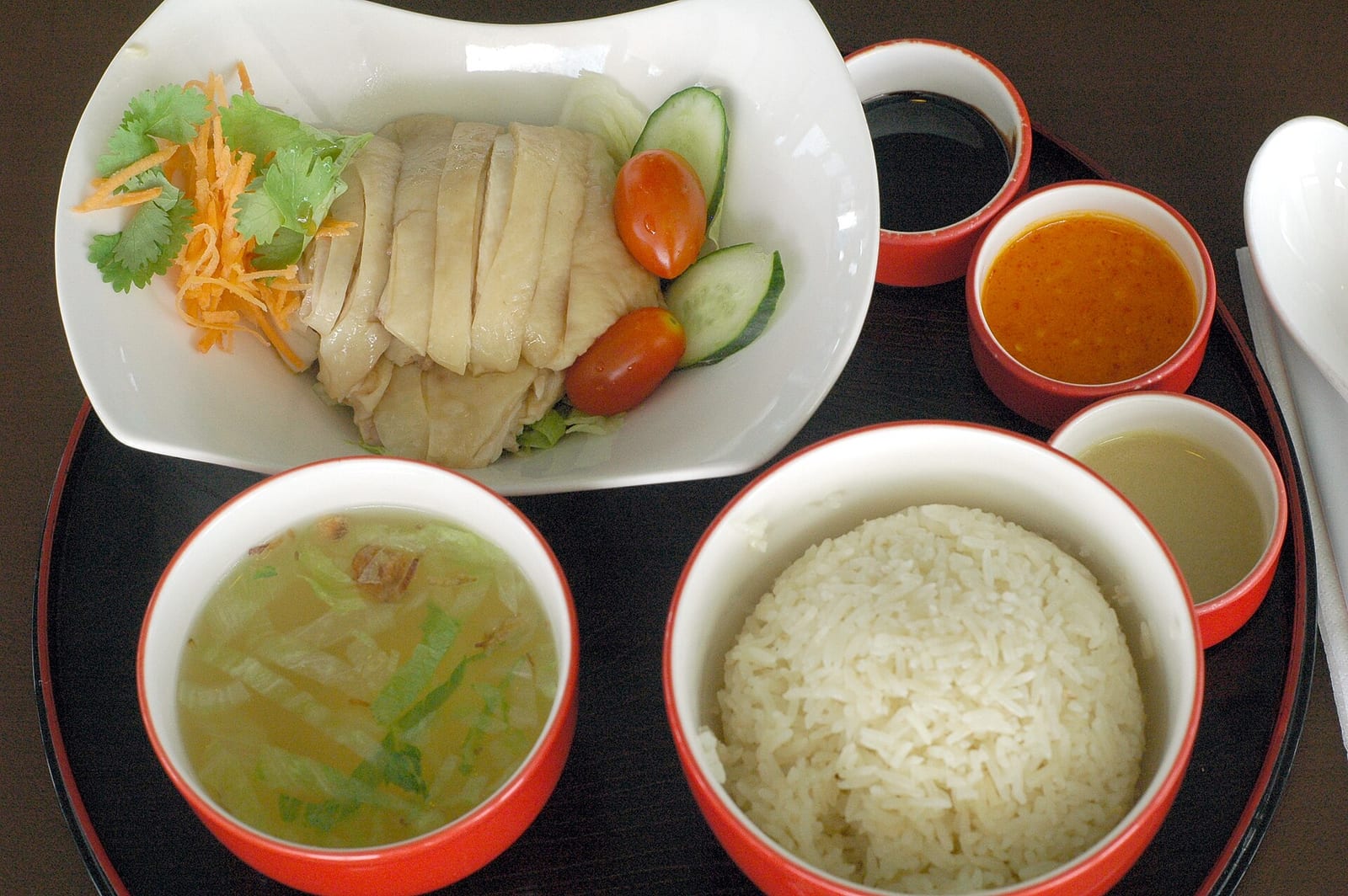
Hainanese Chicken Rice海南鸡饭
A whole bird poached to silk at a sub-boil, rice fried in its fat and cooked in its stock, three sauces standing by — the island's quietest masterpiece.
 03
03Rice & Chicken Rice·40 min·Beginner
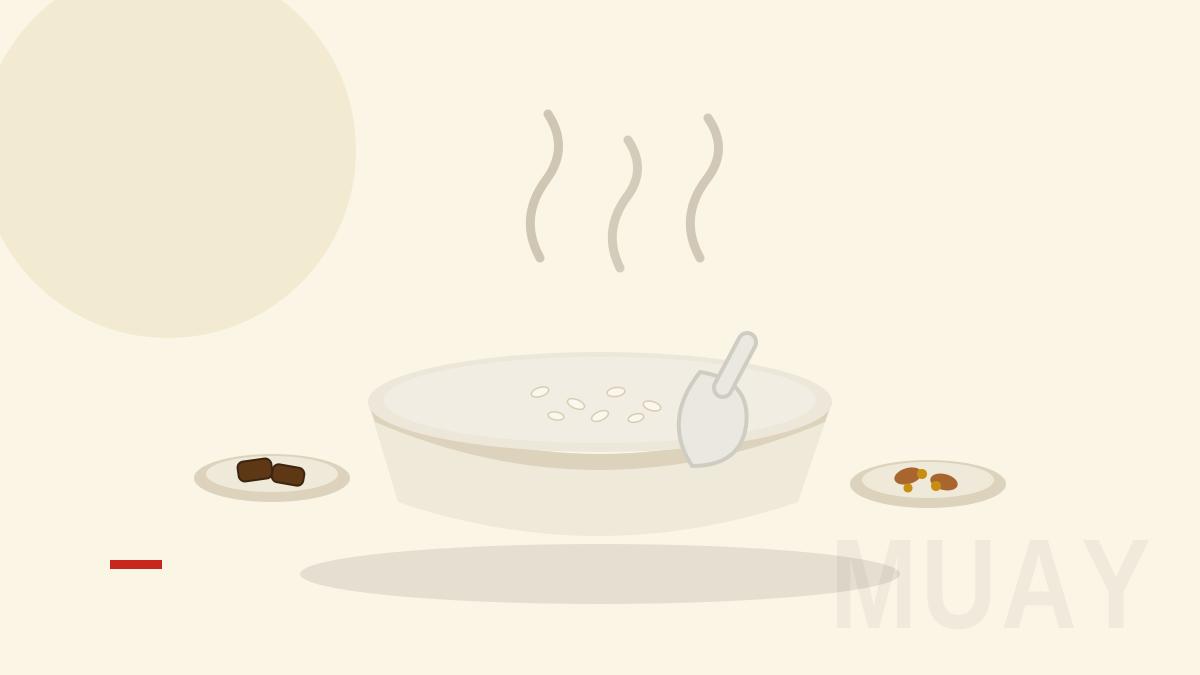
Teochew Porridge潮州糜 · muay
Loose Teochew rice porridge — grains swimming in cloudy water, ringed by salty dishes. It came with migration, and it carried the island through leaner years.