Beef Rendang
rendang daging
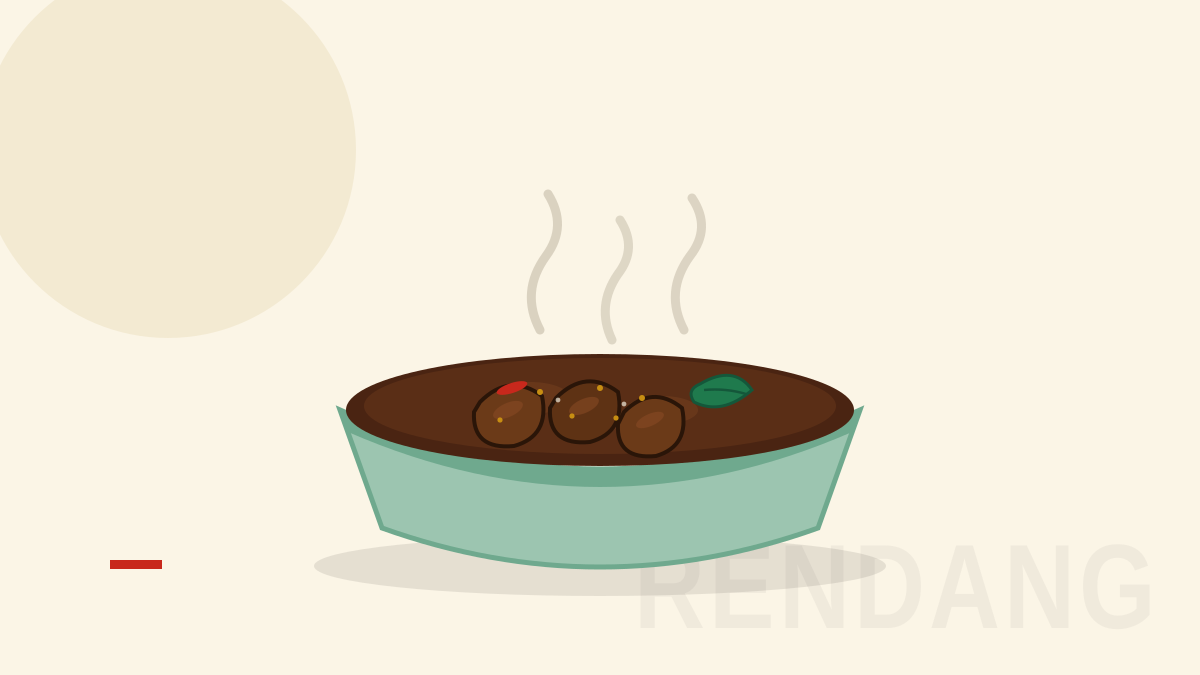
Minangkabau slow science — beef simmered in coconut milk for hours until the liquid vanishes, the oil splits, and the meat fries in its own spiced fat.
By The Singaporean Recipes Kitchen · World Cookbook Series · June 25, 2026
Kampong GlamStreet hawkers & the kampong, 1900s–1942
No pork, no lard — as written.
 03
03- Prep
- 45 min
- Cook
- 210 min
- Serves
- 6
- Level
- Advanced
Rendang did not come from Singapore, and the beginning of respecting it is saying so plainly. It is the signature dish of the Minangkabau people of West Sumatra — matrilineal, mercantile, and possessed of a food culture built around the merantau, the custom of young men leaving home on long journeys. A proper rendang, cooked until dry, travels and keeps without refrigeration for days; it is preservation engineering wearing the clothes of a feast. It crossed the strait the way Minang people did, and settled into Singapore through the nasi padang tradition — the rice counters, several of them Kampong Glam institutions, where a dozen Sumatran-lineage dishes wait in trays and rendang is always the dark, quiet authority at the end of the row.
Understand rendang as a journey through three named countries and the cooking gets easier. First gulai: beef simmering loose in golden, spiced coconut milk — a curry, and sold as one. Reduce further and you reach kalio: thick, bronze, clinging, which is what much of the world is served under rendang's name. Keep going — and this is the hours — until the water is gone entirely, the coconut milk splits, and the meat begins frying in the released oil. That splitting, pecah minyak, is the same threshold every rempah on this site is fried to; rendang simply makes you wait three hours for it and hands you a pot of beef when you arrive. The kerisik, coconut toasted dark and pounded to paste, joins late to give the final coating its roasted depth. Nothing here is difficult. All of it is long, and the length is the recipe.
This is Malay-world food and halal as written — no pork, no lard, beef and coconut doing everything. Serve it the nasi padang way, with plain rice and something green and sharp alongside, and make more than you need. Rendang on the day it is cooked is very good. Rendang on the second day, when the spices have finished their slow negotiation with the beef, is the version the Minangkabau packed for the road — and the reason the dish conquered every kitchen it traveled to.
Rendang is not a curry that reduced — it is beef that outlasted its sauce and started frying in what remained.
Shiok (when it's exactly right) · A word from the kitchen
Ingredientsbahan-bahan
Serves
The beef
- 1.5 kgbeef chuck or shin, cut into 5 cm chunks (about 3 1/4 lb)big pieces, tough cuts — anything lean or small disintegrates over three hours
The rempah
- 12shallots, peeled
- 6garlic cloves
- 40 ggalangal, sliced thin (two thumbs)
- 30 gginger, sliced (a fat thumb)
- 20dried red chilies, seeded and soaked in hot water 15 minutestwenty sounds alarming; three hours of coconut milk mellows them into warmth
- 3lemongrass stalks, tender bottom third, sliced fine
- 20 gfresh turmeric, peeledor 2 tsp ground turmeric, stirred in with the paste
The pot
- 800 mlcoconut milk (two 400 ml cans)full-fat, always — the fat is not a garnish here, it is the cooking medium the dish ends in
- 2lemongrass stalks, bruised and knotted
- 6makrut lime leaves, torn
- 1turmeric leaf, tied in a knotthe Minangkabau signature — hard to find, genuinely worth a hunt, honestly omittable
- 2pieces asam keping (dried tamarind slices)or 1 tbsp tamarind pulp soaked and strained
- 1 tbspgula melaka, shaved
- 2 tspfine salt, plus more at the end
Kerisik
- 80 gdesiccated coconut, unsweetened (about 1 cup)fresh grated coconut if you can get it; desiccated toasts to the same dark nut-butter
Methodcara masak
Step 1: Make the kerisik first
Toast the coconut in a dry wok over medium-low heat, stirring constantly, 8 to 10 minutes, until it is a deep even brown — the color of strong teh, well past golden. Then pound it in the lesung until it stops being flakes and becomes a dark oily paste; the toasting is easy, the pounding is the work, and it is done when it glistens. Kerisik is the ingredient that separates rendang from ordinary beef curry — it thickens the final coating and tastes of roasted coconut rather than raw richness. Set it aside for the last hour.
Step 2: Pound the rempah
Pound or blend the shallots, garlic, galangal, ginger, drained chilies, sliced lemongrass, and turmeric to a fine paste. It does not need to be silk — three hours of simmering will finish what the pestle starts — but fibrous strands of galangal survive anything, so slice thin before you pound.
Step 3: Start everything cold, together
Put the beef, rempah, coconut milk, knotted lemongrass, lime leaves, turmeric leaf, and asam keping into your widest heavy pot — cold, all at once, no searing, no frying the paste first. This is rendang's structural oddity and it is deliberate — the rempah will get its frying at the end, in the split coconut oil, which is the whole trajectory of the dish. Bring it just to a simmer, uncovered.
Step 4: The first stage — gulai, the open simmer
Simmer uncovered over medium-low heat, stirring every 15 minutes or so, for about 90 minutes. Right now you have gulai — a loose, golden curry, and a perfectly good dinner if you abandoned ship here, which the Minangkabau would note means you cooked a different dish. The liquid should reduce steadily; if it is not visibly lower at the hour mark, raise the heat a notch. Scrape the bottom when you stir — the solids settle and this pot must not catch.
Step 5: The second stage — kalio, thick and brown
Over the next hour the sauce thickens to a heavy, clinging gravy and darkens from gold to bronze — this is kalio, rendang's respectable middle age. Stir every 10 minutes now, add the salt, sugar, and the kerisik, and keep the heat where the pot barely blips. The beef should be tender but still holding its corners.
Step 6: The third stage — pecah minyak, when the frying begins
In the final 30 to 45 minutes the last water leaves, the coconut milk splits, and clear red-brown oil separates out — pecah minyak — so the meat is no longer simmering but frying, in coconut oil and its own rendered fat, in a nearly dry pot. Stir constantly now with a flat wooden spatula, scraping the base; this is the stage that cannot be rushed, walked away from, or faked. Stop when the coating is dark mahogany, dry-glossy, and clinging to the beef in a rough crust, and the oil sits in beads. Taste for salt. Rendang is famously better tomorrow, and correct rendang keeps for days — that was always the point of it.
Perkakas · The tools
Equipment
Carbon-steel wok
chaoHalf this site happens in a wok, and carbon steel is the only honest choice at home — it heats fast, takes a season, and gets you the closest to wok hei your burner allows.
Shop on Amazon →Granite mortar & pestle
lesung batuThe rempah tool. Pounding bruises and bleeds the aromatics in a way blades never do — the lesung is the sound of a Singapore kitchen starting dinner.
Shop on Amazon →Chinese cleaver
chai daoChops through a whole chicken for chicken rice, smashes ginger with the flat, scoops the lot into the wok. One blade, most of the canon.
Shop on Amazon →
Equipment links are Amazon affiliate links. As an Amazon Associate we earn from qualifying purchases, at no cost to you. Disclosure.
Rate this recipe
Questions from the kitchen
Is rendang Singaporean?
No, and this site will not pretend otherwise. Rendang is Minangkabau — from the highlands of West Sumatra, where slow-cooking beef in coconut milk and spice was preservation technology for a rainforest climate and for the merantau, the tradition of long journeys that a dry, keeping rendang was literally packed for. It reached Singapore with Malay and Sumatran migration and lives here at the nasi padang counters, including the storied ones of Kampong Glam. Cook it as a borrowed masterpiece, credited in full. And yes — in 2018 a British television judge eliminated a Malaysian cook because her rendang "wasn't crispy," and roughly two nations plus a former prime minister rose as one to explain that rendang has never been crispy. Raised eyebrow duly deployed; the internet did not soon forgive.
My rendang came out as a wet curry. Where did I go wrong?
You stopped at kalio — almost everyone does the first time, because at hour two the pot smells finished and dinner is calling. Rendang's last stage only happens after the liquid is essentially gone, and it announces itself unmistakably: the sound changes from bubbling to sizzling, and oil beads out around the meat. If your pot never gets there, your heat was too low to evaporate the liquid, your pot too narrow — surface area is evaporation, use your widest — or you kept adding water out of nervousness. Trust the dish; it has been reducing successfully for centuries.
Can I use a pressure cooker?
For the first two-thirds, honestly, yes — 45 minutes at pressure takes the beef to kalio-tender and collapses the timeline. But then you must open the pot and do the entire final reduction the long way, uncovered, stirring, until the oil splits — pressure can tenderize but it cannot evaporate, and evaporation is what makes rendang rendang. Call it a 90-minute shortcut on a 4-hour dish. The last hour is non-negotiable, which by this point in the recipe should sound familiar.
Makan lagi · Cook next
Keep the burner on
 03
03Rice & Chicken Rice·80 min·Intermediate
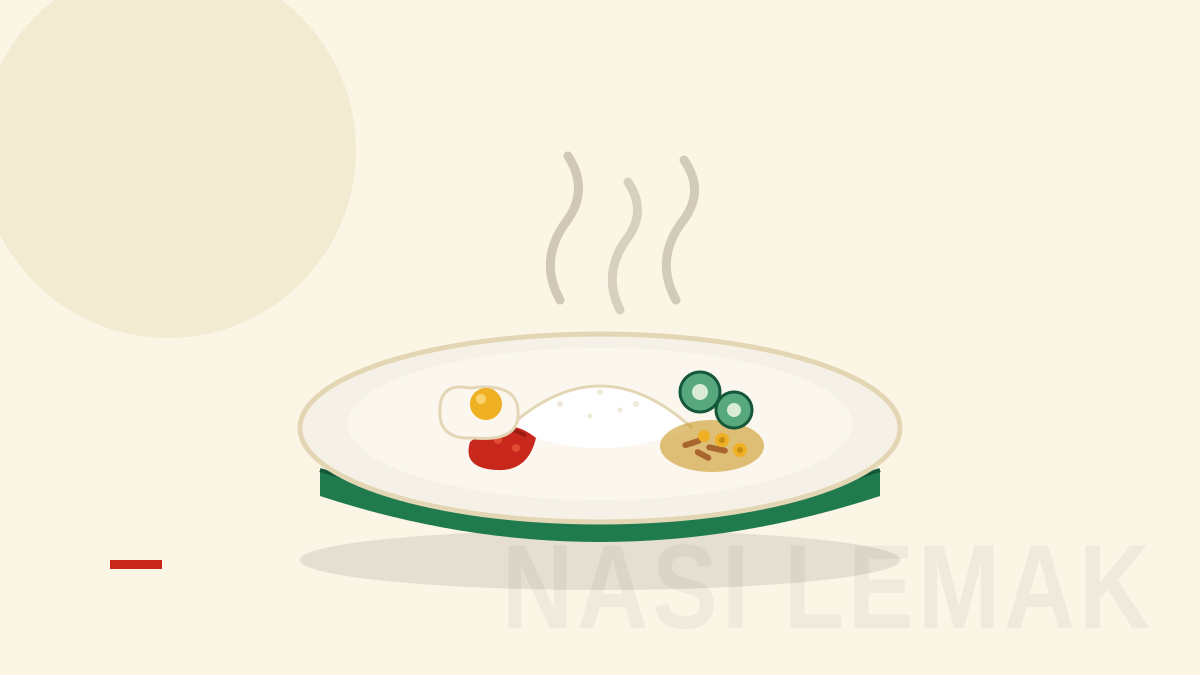
Nasi Lemaknasi lemak
Coconut rice you can smell from the corridor, sambal fried until it darkens, crisp ikan bilis and peanuts — the Malay kampong breakfast, done properly.
 03
03Rice & Chicken Rice·100 min·Intermediate
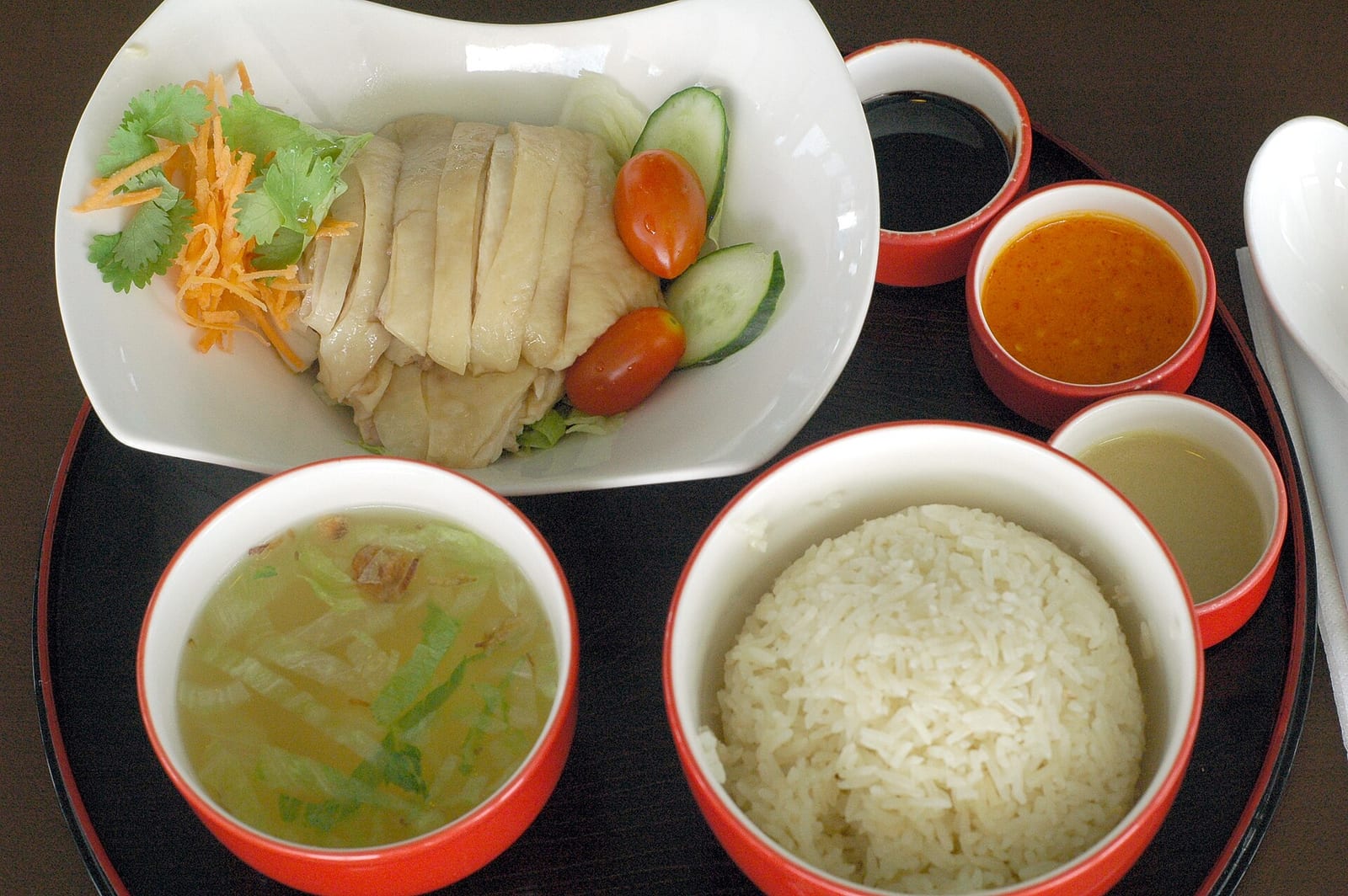
Hainanese Chicken Rice海南鸡饭
A whole bird poached to silk at a sub-boil, rice fried in its fat and cooked in its stock, three sauces standing by — the island's quietest masterpiece.
 03
03Rice & Chicken Rice·180 min·Advanced
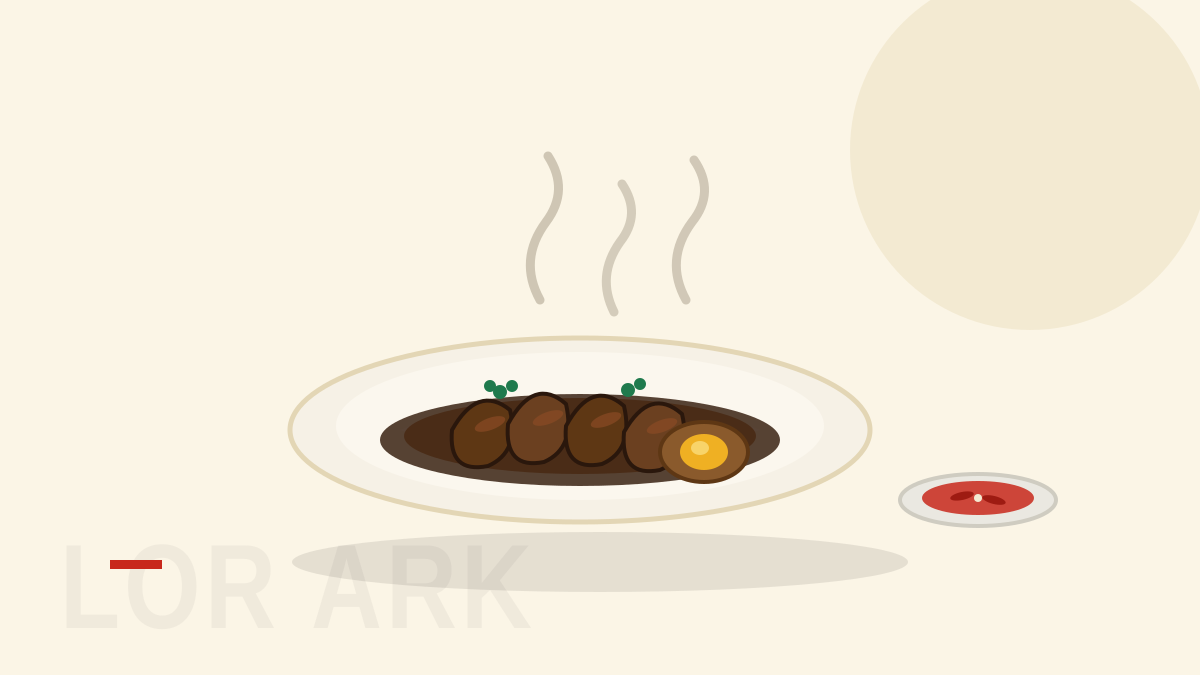
Teochew Braised Duck Rice卤鸭饭 · lor ark
A whole duck simmered in a Teochew master braise of galangal, dark soy, and five-spice, sliced over rice in its own gravy — an heirloom pot you keep alive.