Cantonese Congee
广东粥
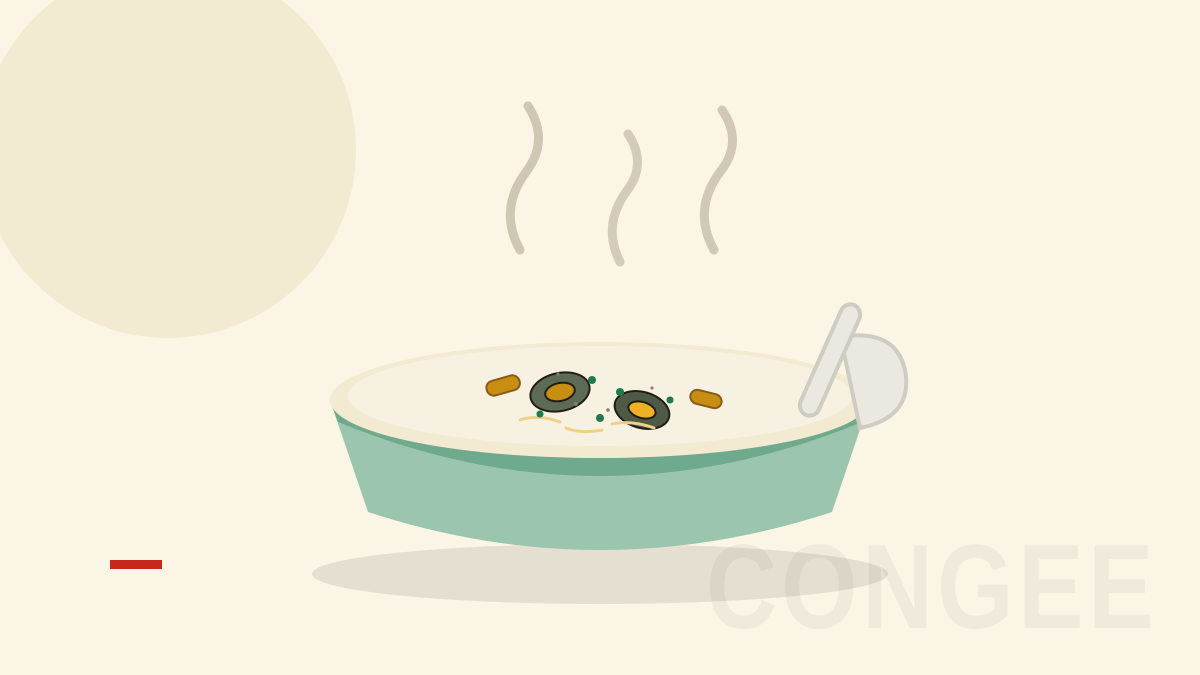
Rice broken down over an hour into a silken, bowl-clinging porridge, seasoned with century egg and slivered lean pork, ginger and white pepper — Chinatown's cure for everything.
By The Singaporean Recipes Kitchen · World Cookbook Series · July 8, 2026
Chinatown & MaxwellStreet hawkers & the kampong, 1900s–1942
 03
03- Prep
- 15 min
- Cook
- 75 min
- Serves
- 4
- Level
- Beginner
Every food culture keeps a dish in reserve for the days when eating feels like a chore, and in Chinatown that dish is congee — rice cooked past the point of being rice, into something you drink as much as spoon. The Cantonese porridge stalls that used to open before dawn understood the assignment: this is food for the unwell, the hungover, the very old and the very young, seasoned with just enough ginger and white pepper to convince the body it's being looked after. It asks almost nothing of the cook except time, which is the one thing a sick day tends to have plenty of.
The technique is patience wearing a chef's coat. You are not boiling rice; you are dismantling it. An hour or more of low simmer, a stir every ten minutes, and the grains give up their shape entirely and dissolve into the liquid until you can't tell where rice ends and broth begins. The hawker tricks — a rub of oil, a night in the freezer, a spoon of glutinous rice in with the jasmine — all exist to hurry that collapse along, but none of them replace the simmer. Rush it on high heat and you get scorched glue at the bottom and hard grit in the middle, which is the opposite of the point.
Then there's the century egg, which arrives at every congee bearing a name designed to frighten the uninitiated. It is not a hundred years old, or even one — a few weeks in an alkaline cure turns the white to smoky amber jelly and the yolk to something dark and creamy and faintly cheesy. The ammonia whiff that scares first-timers vanishes the moment it hits the hot porridge, leaving a savory richness that plain congee is quietly built around. Quarter it in, slick in some velveted pork off the heat, crown it with ginger and pepper and fried shallots, and eat it before it stiffens. It won't wait, and on the days you make it, neither will you.
The thing you eat when you're unwell, hungover, or just born — congee is Chinatown's answer to every question the body asks.
Shiok (when it's exactly right) · A word from the kitchen
Ingredientsbahan-bahan
Serves
The congee base
- 150 gjasmine rice, rinsed (3/4 cup)a spoon of glutinous rice mixed in makes it silkier still, if you have it
- 2.5 Lwater or light chicken stock (about 10 cups)the roughly 1-to-15 rice-to-liquid ratio is what makes it pourable rather than sticky; stock adds body, water keeps it clean
- 20 gginger, half sliced for the pot and half fine-julienned for serving (a thumb)
- 1 tspneutral oilrubbed into the raw rice with a pinch of salt — it helps the grains blow open faster
- 1/2 tspsalt
The toppings
- 150 glean pork, sliced thin (about 5 oz)pork loin or fillet; marinate it while the rice cooks
- 1 tsplight soy sauce
- 1/2 tspsesame oil
- 1 tspcornstarch
- 2century eggs, peeled and quarteredpidan — the ammonia smell fades once they hit the hot congee; rinse and quarter just before serving
- 2spring onions, finely sliced
- 1 tspwhite pepper, plus more at the table
To serve
- fried shallots
- 1youtiao (fried dough fritter), sliced, optional
- light soy and a few drops of sesame oil
Methodcara masak
Step 1: Freeze or rub the rice for a faster break
The old hawker trick is to rub the rinsed rice with a teaspoon of oil and a pinch of salt and, if you have the foresight, freeze it for a few hours first. Both crack the grain's structure so it collapses into cream sooner. Skip it if you're not planning ahead — the pot just wants twenty more minutes of patience instead.
Step 2: Boil hard, then drop to a lazy simmer
Bring the rice, liquid, sliced ginger, oil, and salt to a rolling boil, then knock it down to a low simmer and stir every ten minutes so nothing catches on the base. Over the next 60 to 75 minutes the grains swell, split, and finally dissolve — you are done when you can no longer see individual grains and the congee coats the back of a spoon like thin cream. Rushing this on high heat scorches the bottom and leaves the middle grainy; low and slow is the only road.
Step 3: Marinate the pork while it cooks
Toss the sliced pork with the soy, sesame oil, and cornstarch and leave it while the congee works. The cornstarch is a velveting trick — it sheaths each slice so it stays tender and silky when it hits the hot porridge, instead of seizing into tough little curls.
Step 4: Poach the pork in the congee off the heat
When the congee is silky, stir the marinated pork straight into the pot and turn off the heat. The residual heat poaches the thin slices through in 3 to 4 minutes without a hint of toughness — you'll see them turn from pink to pale grey-white. If your slices were cut thick, give it a minute back on low, but check often; overcooked pork is the one thing that can let a good congee down.
Step 5: Crown and serve blazing hot
Ladle into bowls and top each with century egg, julienned ginger, spring onion, a heavy pinch of white pepper, and a scatter of fried shallots. Congee waits for no one — it thickens to glue as it cools, so serve it the moment it's built, with youtiao on the side to dip and a little soy and sesame oil for those who want it. Loosen an over-thick pot with a splash of hot stock; never let it sit and stiffen.
Perkakas · The tools
Equipment
Tall stockpot (10 qt+)
Prawn broth, bak kut teh, laksa gravy — the deep pot keeps a lazy simmer lazy and your kitchen unsplattered.
Shop on Amazon →Claypot
sha baoFor claypot rice the pot IS the recipe — clay holds gentle heat, builds the crust, and comes to the table still ticking.
Shop on Amazon →
Equipment links are Amazon affiliate links. As an Amazon Associate we earn from qualifying purchases, at no cost to you. Disclosure.
Rate this recipe
Questions from the kitchen
Why does congee smell medicinal, and are century eggs really a hundred years old?
No — century eggs are cured for a few weeks to a few months in an alkaline mix of clay, ash, salt and lime, which turns the white to amber jelly and the yolk to dark green cream. The name is folklore; the faint ammonia note is real chemistry, and it mellows the instant the egg meets hot congee. Cantonese cooking treats this porridge as restorative food — the thing you eat when you're unwell, hungover, or just born — which is why it leans plain and gingery rather than rich.
My congee is watery on top and gluey at the bottom. What went wrong?
Two separate problems. The watery layer means it hadn't cooked long enough for the starch to fully emulsify into the liquid — give it more time and stir it back together. The gluey scorched bottom means the heat was too high or you didn't stir; congee needs a genuine low simmer and a stir every ten minutes so the settling rice doesn't weld itself to the pot. A heavy-based pot forgives a lot here.
Can I speed it up with a blender or leftover rice?
Both work, both cost a little. Leftover cooked rice will break down in 25 to 30 minutes instead of an hour, though the texture is slightly looser and less creamy than rice cooked from raw. A quick blitz of the finished pot with a stick blender fakes the silky texture convincingly and is a fair weeknight cheat. What you can't fake is the slow-cooked depth of a from-raw pot, but on a sick day nobody's grading you.
Makan lagi · Cook next
Keep the burner on
 03
03Rice & Chicken Rice·40 min·Beginner
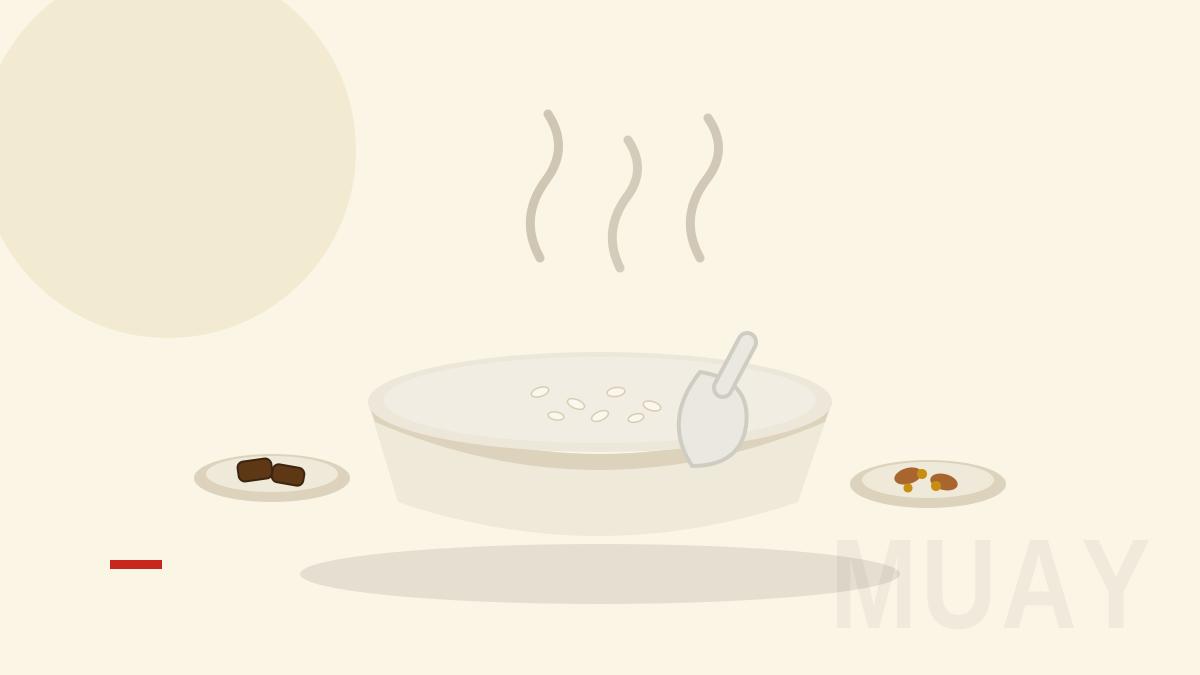
Teochew Porridge潮州糜 · muay
Loose Teochew rice porridge — grains swimming in cloudy water, ringed by salty dishes. It came with migration, and it carried the island through leaner years.
 03
03Rice & Chicken Rice·100 min·Intermediate
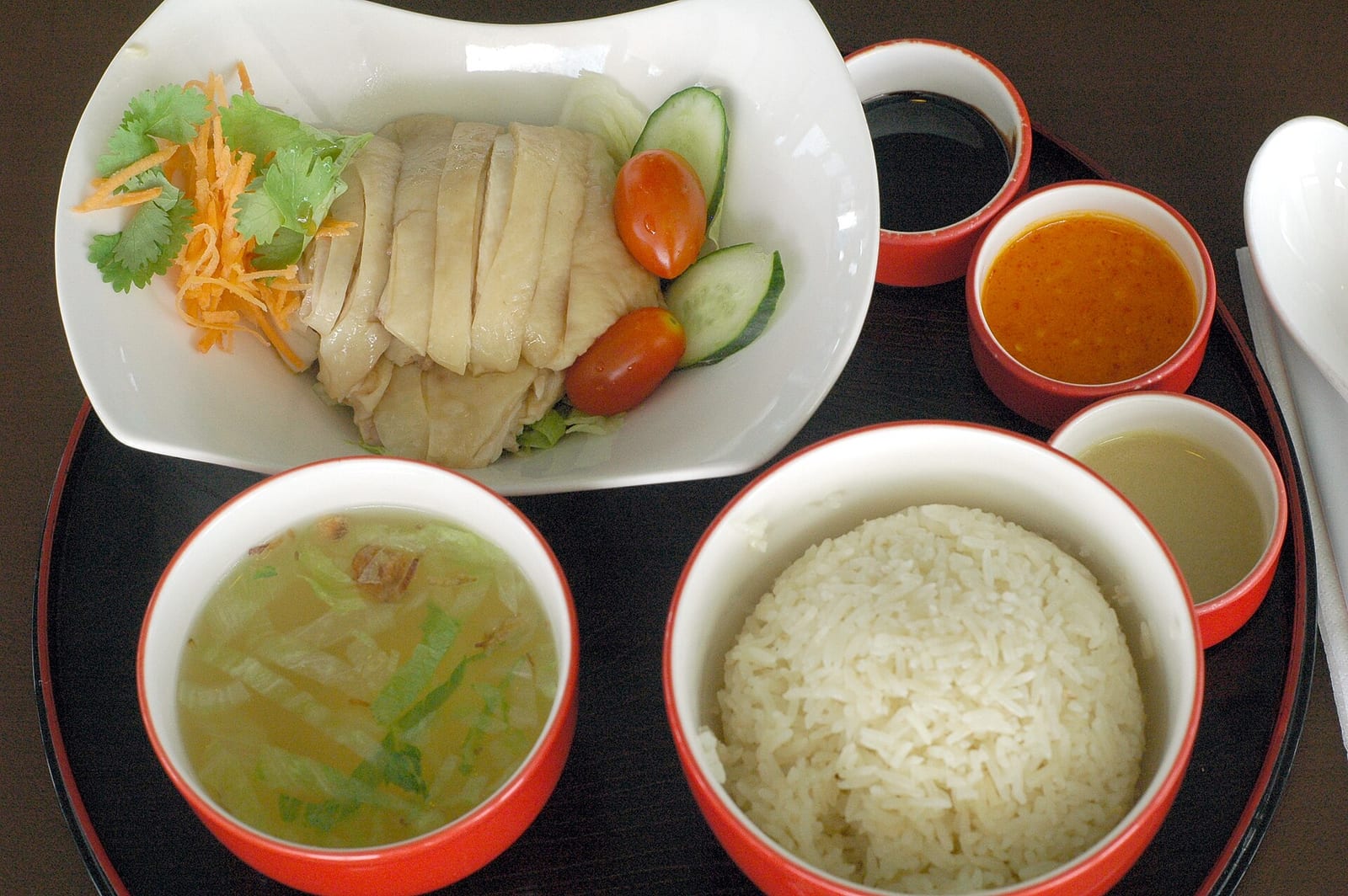
Hainanese Chicken Rice海南鸡饭
A whole bird poached to silk at a sub-boil, rice fried in its fat and cooked in its stock, three sauces standing by — the island's quietest masterpiece.
 03
03Rice & Chicken Rice·80 min·Intermediate
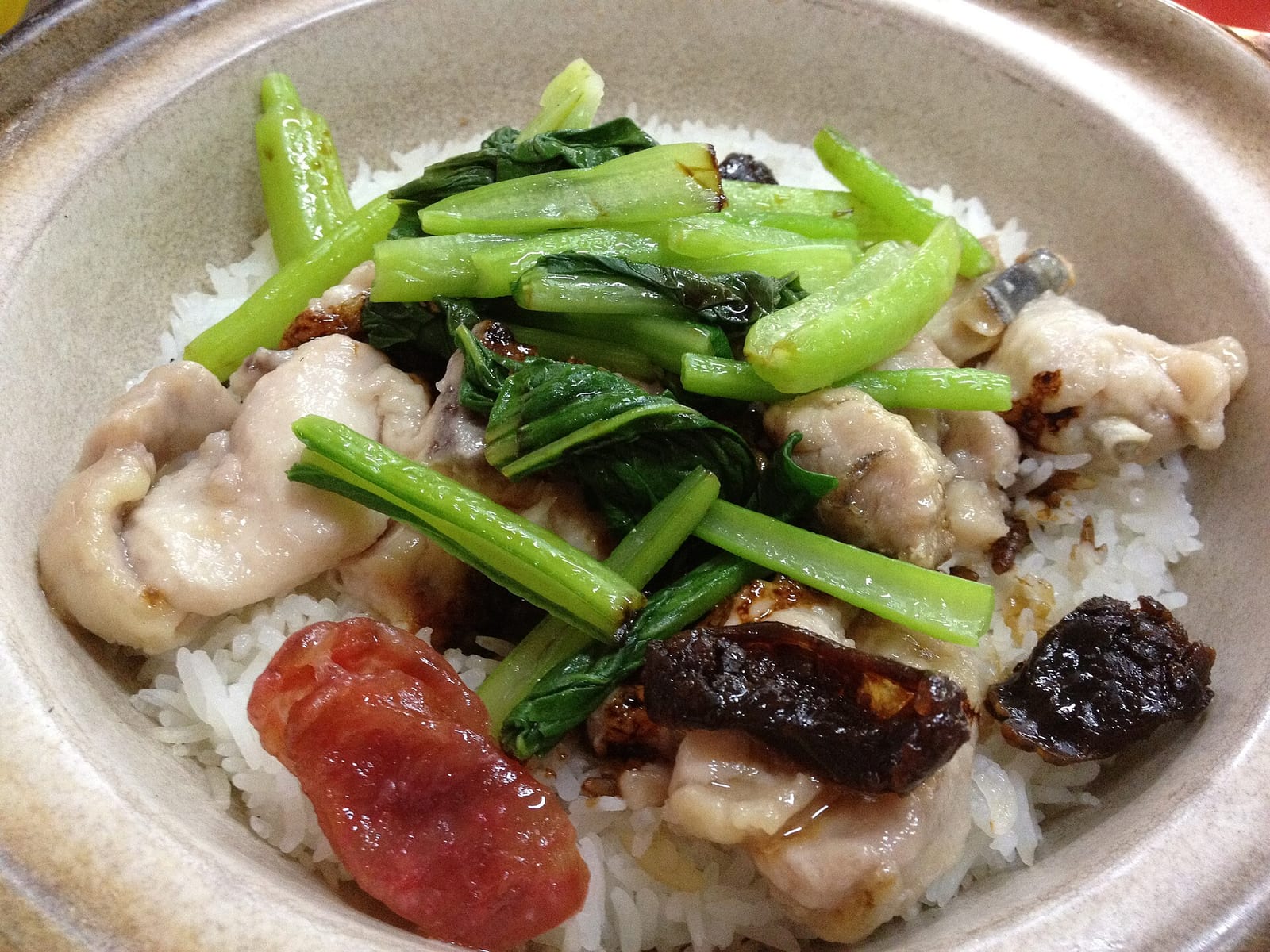
Claypot Rice砂煲饭
Rice cooked in the pot it is served in, lap cheong and salted fish laid on top, dark soy over everything — and the bottom crust is the whole point.