Mee Soto
mee soto
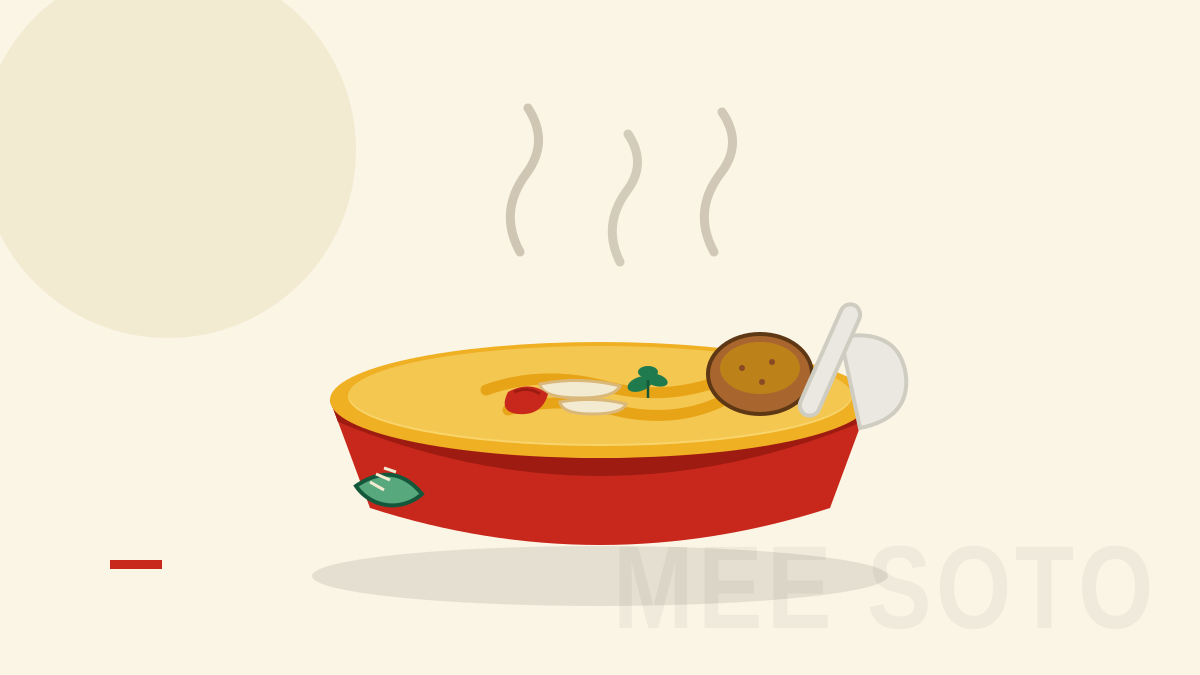
Yellow noodles in a turmeric-gold chicken broth, shredded poached chicken, bean sprouts and a spoon of fierce sambal — the Javanese-Malay soup of the Kampong Glam kitchens.
By The Singaporean Recipes Kitchen · World Cookbook Series · July 17, 2026
Kampong GlamStreet hawkers & the kampong, 1900s–1942
No pork, no lard — as written.
 02
02- Prep
- 30 min
- Cook
- 75 min
- Serves
- 4
- Level
- Beginner
Mee soto is a soup with a border in it. Soto is Javanese — the aromatic, turmeric-gold broth of Indonesia, a whole family of soups defined by a spice paste of turmeric and galangal fried and simmered into the pot — and it crossed the water into the Malay kitchens of the peninsula and the island, where it picked up yellow wheat noodles and became mee soto. In Singapore its deepest urban roots are in Kampong Glam, the historic Malay quarter, which is where we place it: not because any single stall invented it, but because that neighborhood is where the island's Malay food culture has always lived loudest.
What separates soto from every other bowl of chicken and noodles is the spice paste, and it is worth being stubborn about. Shallots, garlic, fresh turmeric, ginger, galangal, candlenuts, pounded to a paste and then fried until the oil breaks out of it — that step is the same pecah minyak discipline that governs the rempah underneath half this cuisine, and it is what gives the broth its glowing gold and its earthy, fragrant warmth. Skip it, or dump raw turmeric into the pot, and you get pale chicken water with a yellow tinge. Fry the paste properly and simmer it into the broth and you get soto.
But the thing to understand about eating it is that the bowl arrives unfinished. The broth is deliberately gentle, golden, aromatic but not aggressive — because the sambal comes on the side, and the eater builds the final flavor with their own hand. A squeeze of lime, a spoon of blended fresh chili stirred in to taste, and the mild bowl becomes a fierce one. That last adjustment at the table is not an afterthought; it is the whole architecture of soto, the same way a Malay meal hands you the heat and lets you own it. It is Malay-Javanese food, halal as written — no pork, no lard, just chicken, spice, and the sambal you answer to.
The bowl arrives gentle and golden. The sambal, stirred in at the table by your own hand, is what turns it fierce — and that choice is the whole soul of soto.
Shiok (when it's exactly right) · A word from the kitchen
Ingredientsbahan-bahan
Serves
The spice paste
- 8shallots, peeled
- 4garlic cloves
- 20 gfresh turmeric, peeled (or 1 tsp ground turmeric) (a thumb)fresh turmeric gives the broth its glowing gold and an earthy warmth ground can only approximate
- 20 gginger
- 15 ggalangal, sliced thin
- 4candlenuts
- 1 tspground coriander
- 1/2 tspground cumin
- 1/2 tspground white pepper
The broth
- 1whole chicken, about 1.2 kg, or 6 bone-in thighsbone-in is non-negotiable — the bones are what turn plain water into a broth worth building on
- 2.5 Lwater (about 10 cups)
- 2lemongrass stalks, bruised
- 3kaffir lime leaves
- 1cinnamon stick
- 3cloves
- 3green cardamom pods, cracked
- 1star anise
- 2 tspfine salt, or to taste
- 3 tbspneutral oil, for frying the paste
To serve
- 400 gfresh yellow noodles, loosened and drained (about 14 oz)
- 2 handfulsbean sprouts, tailed
- 2 stalksChinese celery, finely chopped, leaves and all
- 3 tbspfried shallots
- 2limes, cut into wedges
- 1 portionsambal (blended fresh red chilies, a little of the hot broth, a squeeze of lime)the sambal is the whole personality of the bowl — serve it on the side so each eater sets their own heat
Methodcara masak
Step 1: Pound the spice paste
Pound or blend the shallots, garlic, turmeric, ginger, galangal, and candlenuts with the ground coriander, cumin, and white pepper to a smooth paste, adding a splash of water to move the blades if you blend. This is the aromatic engine of the broth — the difference between a golden, fragrant soto and pale chicken water. Pound it properly and the whole bowl follows.
Step 2: Build the broth
Put the chicken in a stockpot with the water, lemongrass, lime leaves, cinnamon, cloves, cardamom, and star anise. Bring it slowly to a simmer and skim off the grey foam that rises in the first ten minutes — skimming is not fussiness, it is the difference between a clear, clean broth and a cloudy, muddy one. Simmer gently, never at a rolling boil, for about 45 minutes until the chicken is cooked through and the meat pulls easily from the bone.
Step 3: Fry the paste and marry it in
While the chicken simmers, heat the oil in a small pan over medium and fry the spice paste, stirring, 6 to 8 minutes until it darkens from raw yellow to a deep gold and the oil separates out at the edges and the harsh raw smell turns fragrant and toasty. That fried edge is what keeps the broth from tasting of raw turmeric. Lift the cooked chicken from the pot, then stir the fried paste into the simmering broth and let them cook together another 20 minutes so the flavors marry and deepen. Season with salt to taste — soto broth should be assertive, because plain noodles are about to dilute it.
Step 4: Shred the chicken
When the chicken is cool enough to handle, pull the meat off the bones and shred it into rough strands with your fingers or two forks; discard the skin or crisp it separately if you like. Toss the bones back into the broth for the last of the simmer if you want a little more body. Set the shredded meat aside — it goes into the bowls cold and is warmed by the broth poured over.
Step 5: Blanch the noodles and sprouts
Bring a separate pot of water to a boil. Dunk the bean sprouts in a wire basket for just 10 seconds — long enough to take the raw edge off, short enough to keep the snap — and lift them out. Then blanch the yellow noodles for 20 to 30 seconds to heat them through and wash off their packing oil, and drain well. Cold sprouts go slimy in hot broth and cold noodles chill the bowl, so this quick pass matters.
Step 6: Assemble bowl by bowl
Divide the noodles and sprouts among four bowls, top with the shredded chicken, and ladle the hot, strained golden broth over until everything is submerged. Scatter over the Chinese celery and fried shallots, tuck in a lime wedge, and set the sambal on the side. Each eater squeezes the lime and stirs in as much sambal as they dare — the bowl arrives gentle and golden, and the sambal is what turns it fierce. That final adjustment at the table is the soul of soto; a bowl pre-seasoned to one heat robs everyone of it.
Perkakas · The tools
Equipment
Tall stockpot (10 qt+)
Prawn broth, bak kut teh, laksa gravy — the deep pot keeps a lazy simmer lazy and your kitchen unsplattered.
Shop on Amazon →Granite mortar & pestle
lesung batuThe rempah tool. Pounding bruises and bleeds the aromatics in a way blades never do — the lesung is the sound of a Singapore kitchen starting dinner.
Shop on Amazon →Spider strainer
Lifts blanched noodles out of the pot in one pass and fried shallots out of the oil in the next. One tool, half the hawker canon.
Shop on Amazon →
Equipment links are Amazon affiliate links. As an Amazon Associate we earn from qualifying purchases, at no cost to you. Disclosure.
Rate this recipe
Questions from the kitchen
What's the difference between mee soto and other chicken noodle soups?
Soto is its own family, Javanese-Malay in origin, defined by that turmeric-and-galangal spice paste fried and simmered into the broth — a warmth and a gold that plain chicken soup never has. It crossed from Java into the Malay kitchens of the region and became a fixture in Singapore, and Kampong Glam, as the island's historic Malay quarter, is where its urban roots run deepest. Calling it just "chicken noodle soup" undersells it; the spice paste is what makes it soto and not merely soup, and the begedil — a fried mashed-potato patty — that often comes alongside is the tell that you're in soto territory.
My broth came out cloudy and greasy. What happened?
You boiled it instead of simmering it. A hard, rolling boil emulsifies the fat and the loose proteins into the liquid, turning a clear broth murky and greasy. Keep it at the gentlest simmer where only the occasional bubble breaks the surface, skim the grey foam diligently in the first ten minutes, and if the surface still looks fatty, blot it with a sheet of kitchen paper laid flat across the top before serving.
Can I use a rotisserie chicken to save time?
You can use the meat from one, but you'll have to build the broth separately, and the broth is the dish. Simmer some chicken backs, wings, or a carton of stock with the spice paste and aromatics to make a real soto broth, then shred the rotisserie meat into it — that's an honest weeknight compromise. What you can't do is pour the spice paste into plain boxed stock and skip the simmering; the paste needs time in the pot to lose its raw edge and marry with the broth, and there's no shortcut around those twenty minutes.
Makan lagi · Cook next
Keep the burner on
 02
02Noodles & Laksa·80 min·Intermediate
Mee Rebusmee rebus
Yellow noodles under a thick sweet-savoury gravy built on mashed sweet potato and fermented soybean, crowned with egg, green chili and lime — the island's most underrated sauce.
 02
02Noodles & Laksa·95 min·Intermediate
Katong Laksa叻沙 · laksa lemak
Coconut laksa the Katong way — a prawn-sweet gravy over rice noodles cut short for the spoon, the style Janggut hawked along East Coast Road in the 1950s.
 02
02Noodles & Laksa·150 min·Intermediate
Lor Mee卤面
Hokkien noodles under a dark five-spice gravy thickened to a slow ooze — braised pork, egg ribbons, black vinegar and raw garlic stirred in at the table.